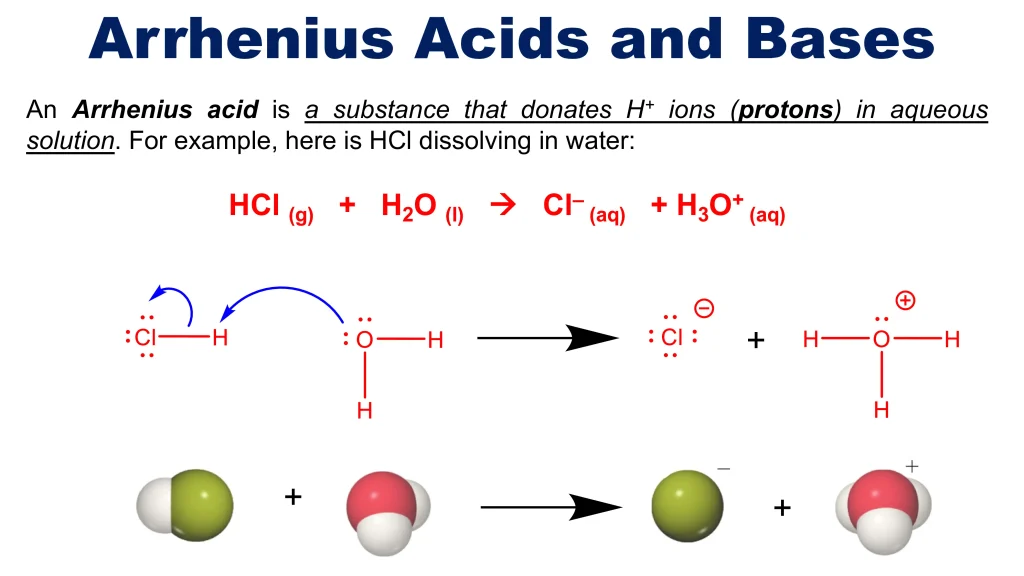
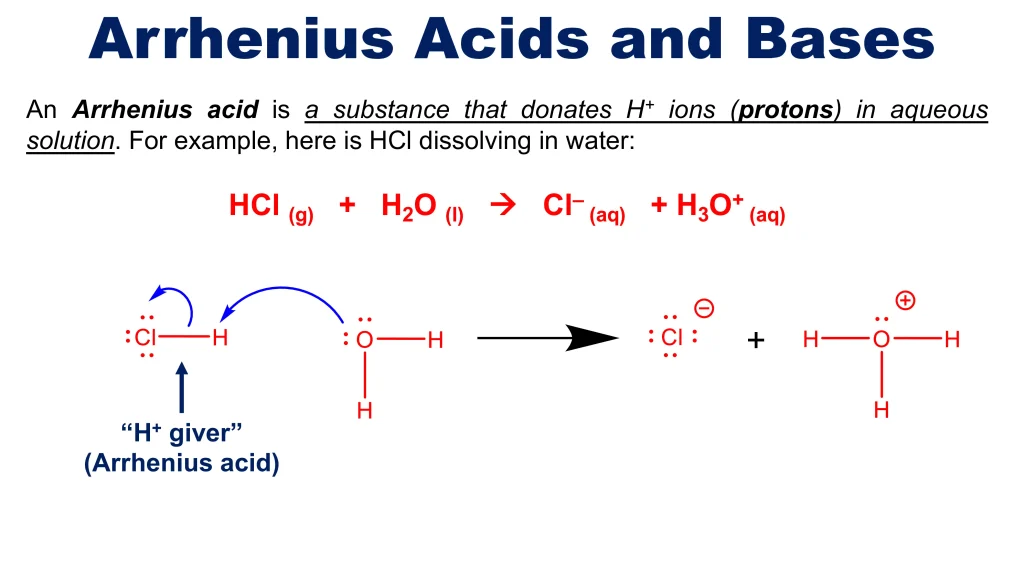
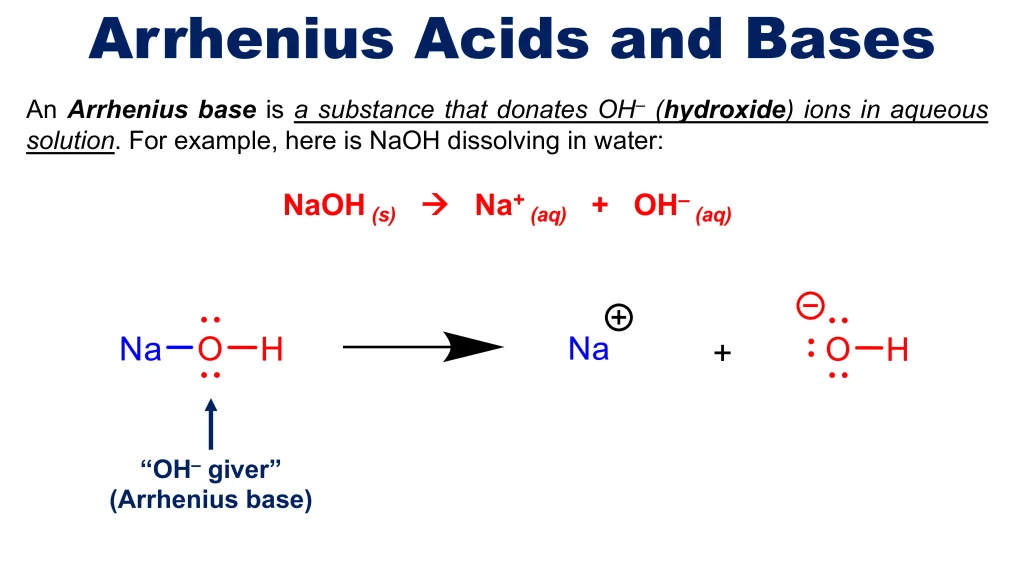
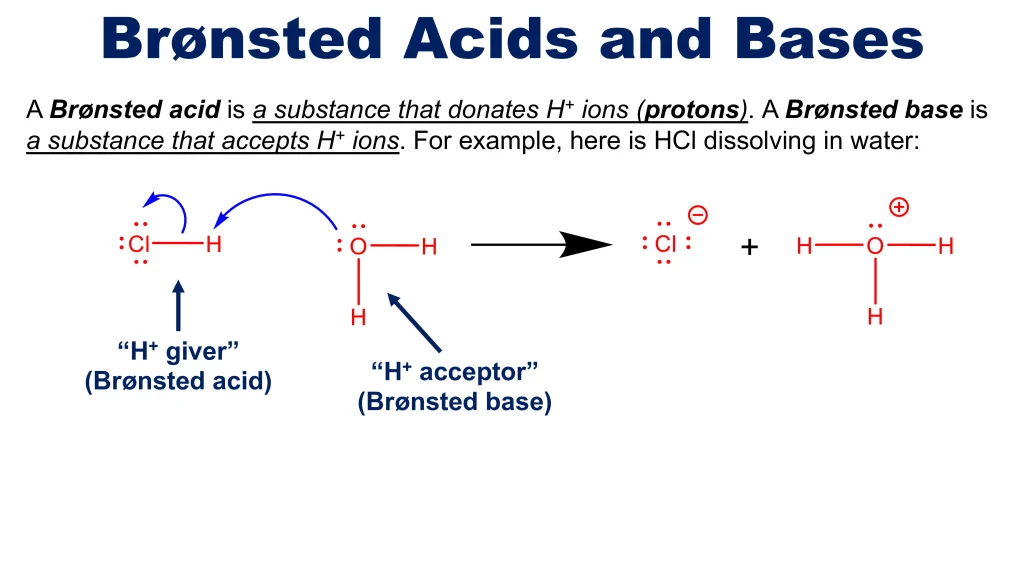
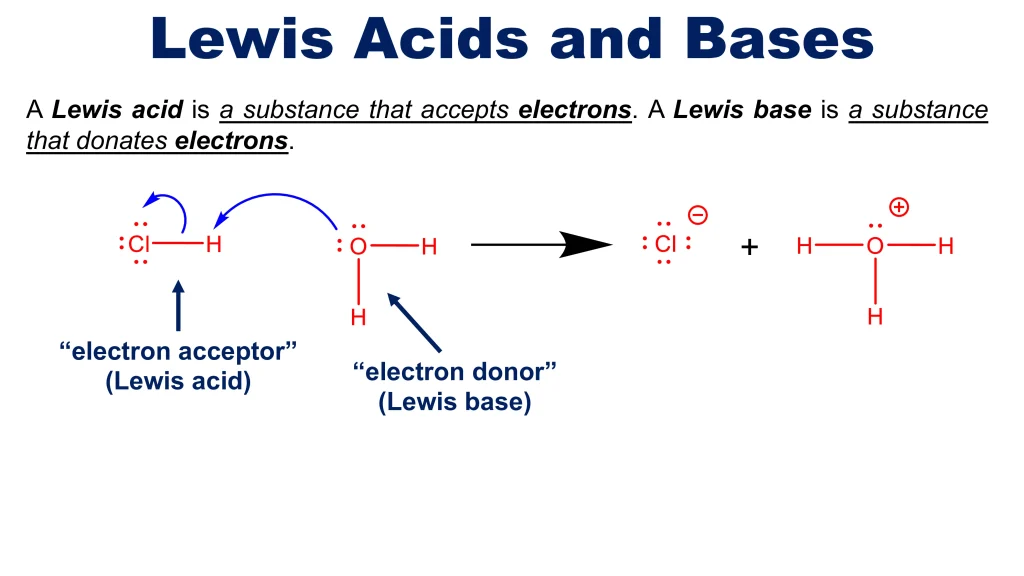
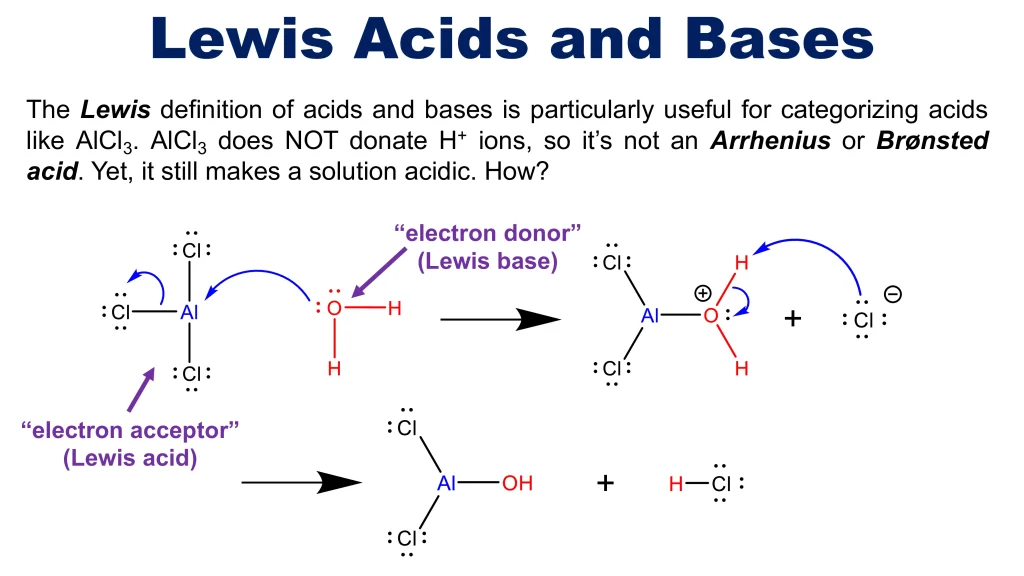
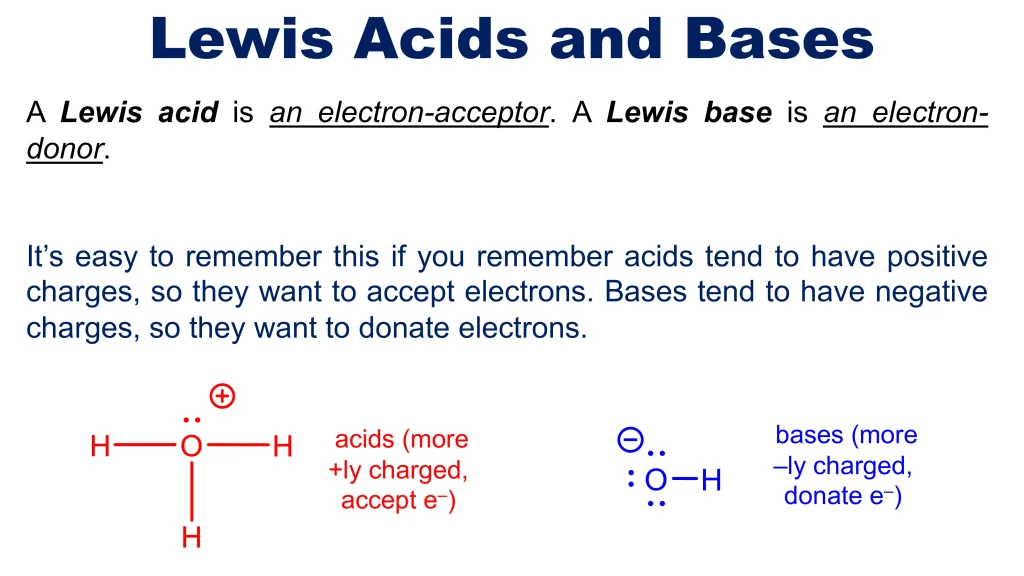
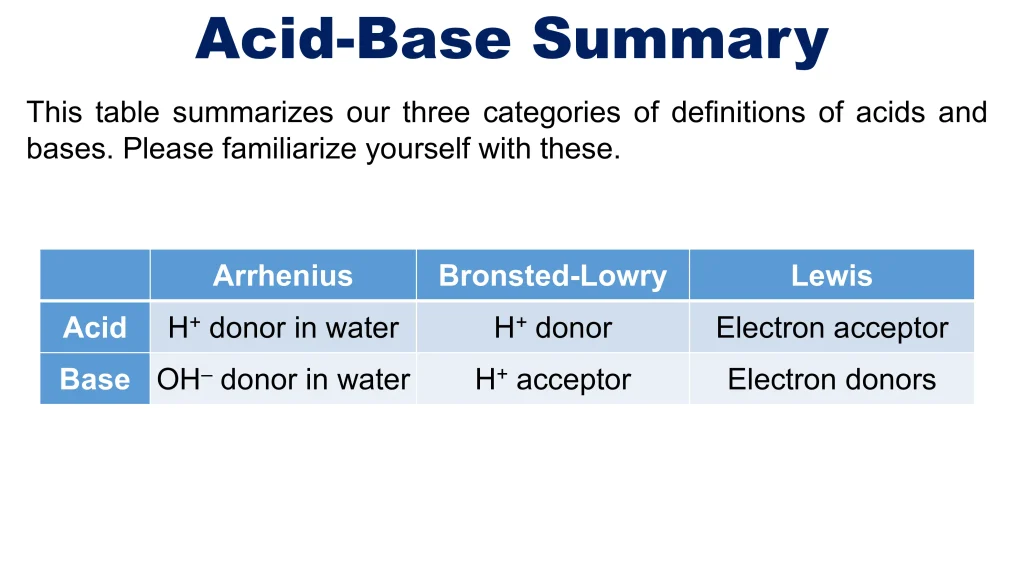
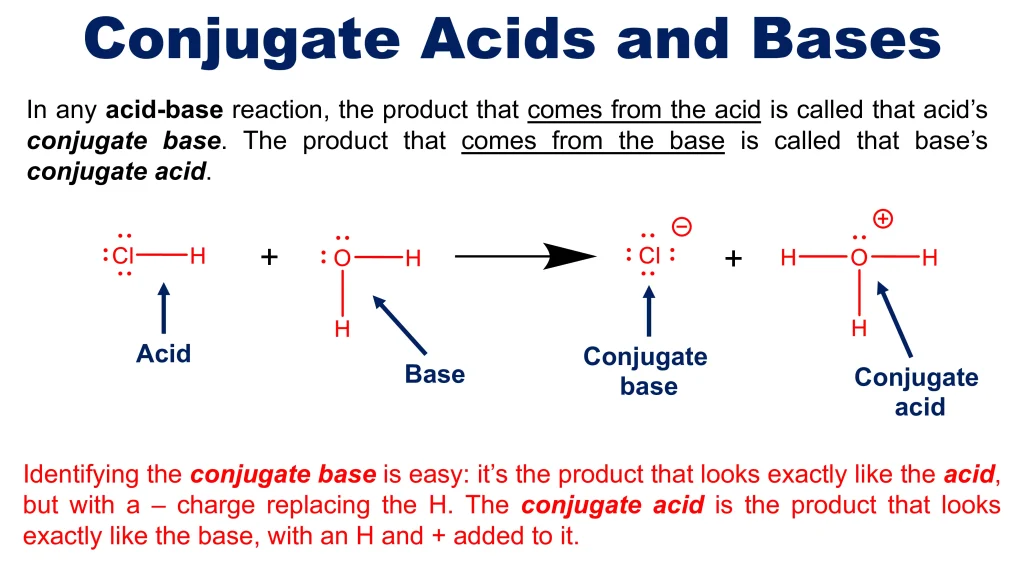
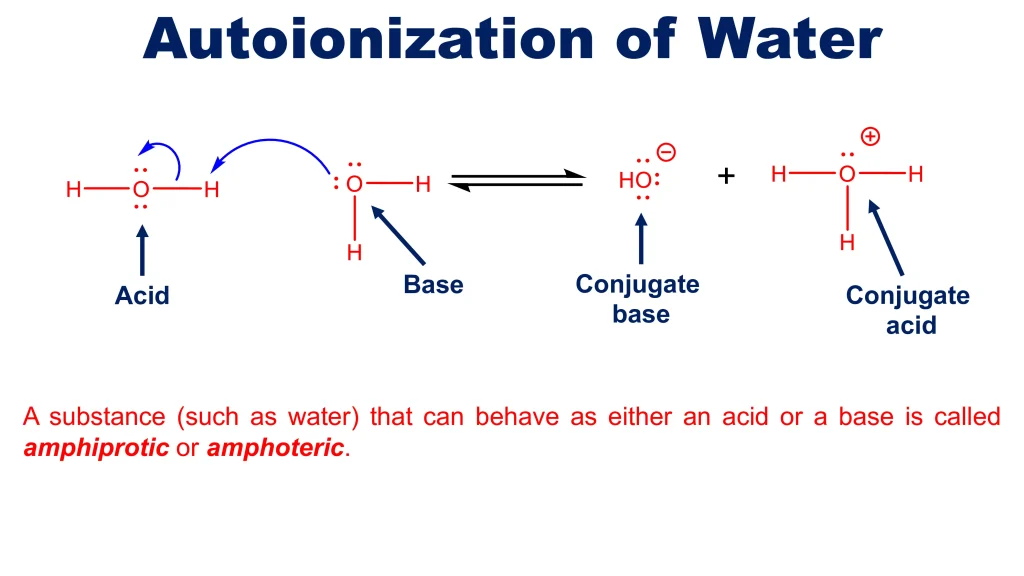
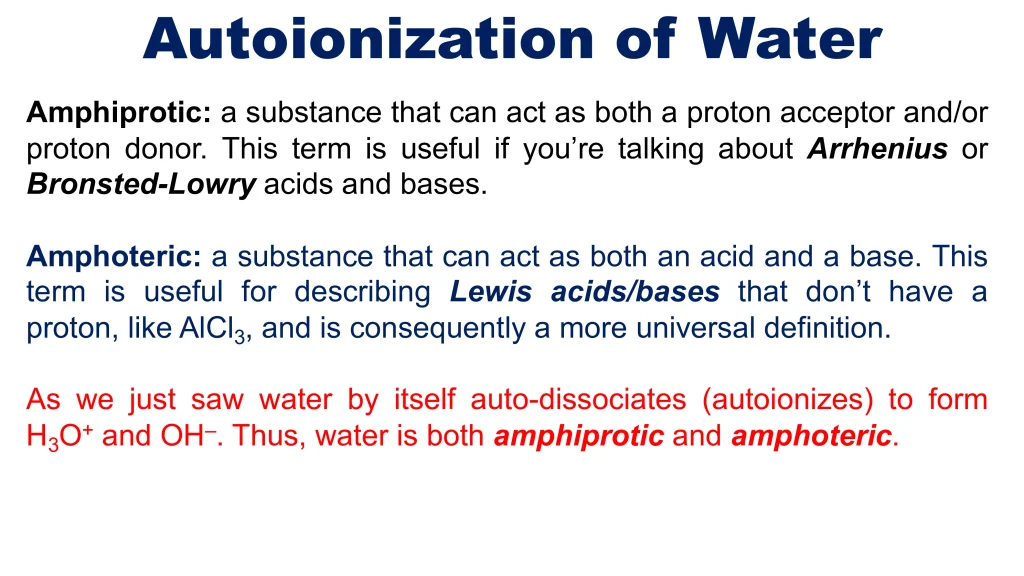
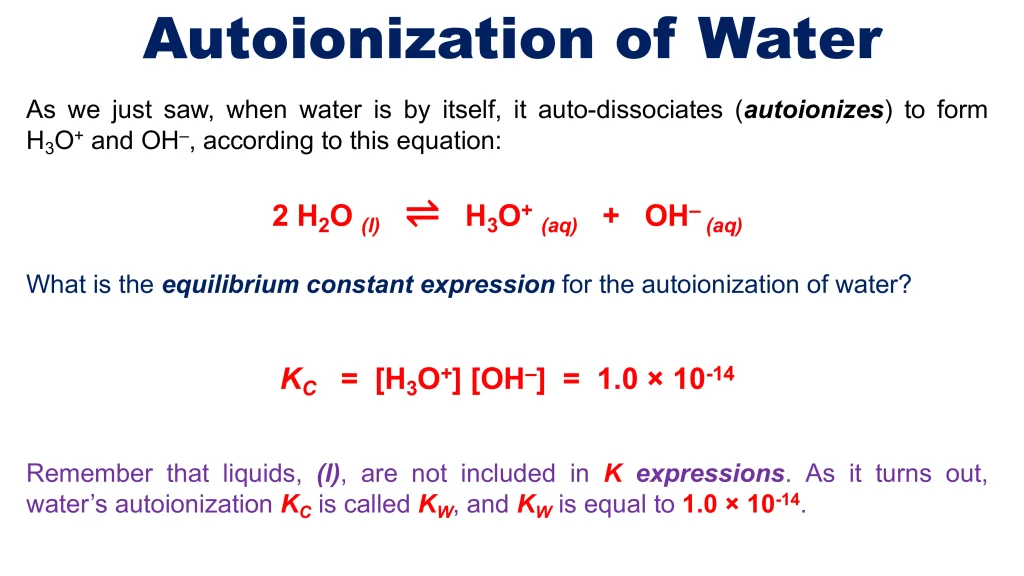
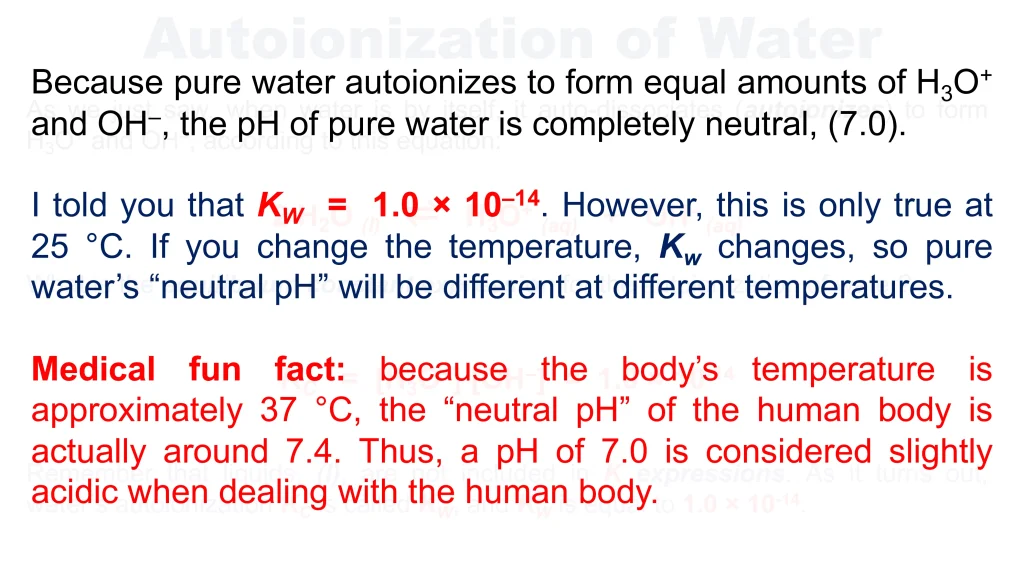
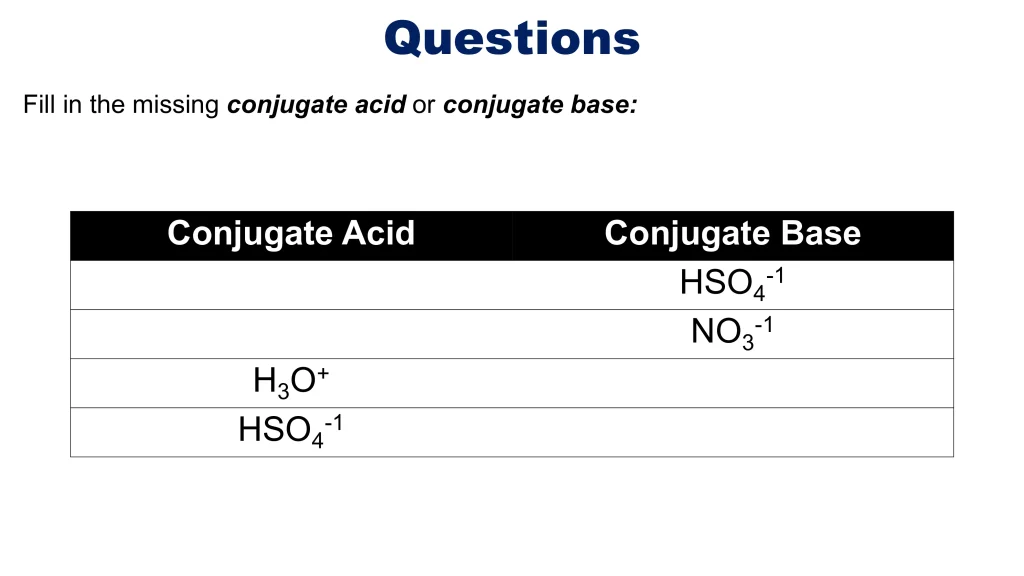
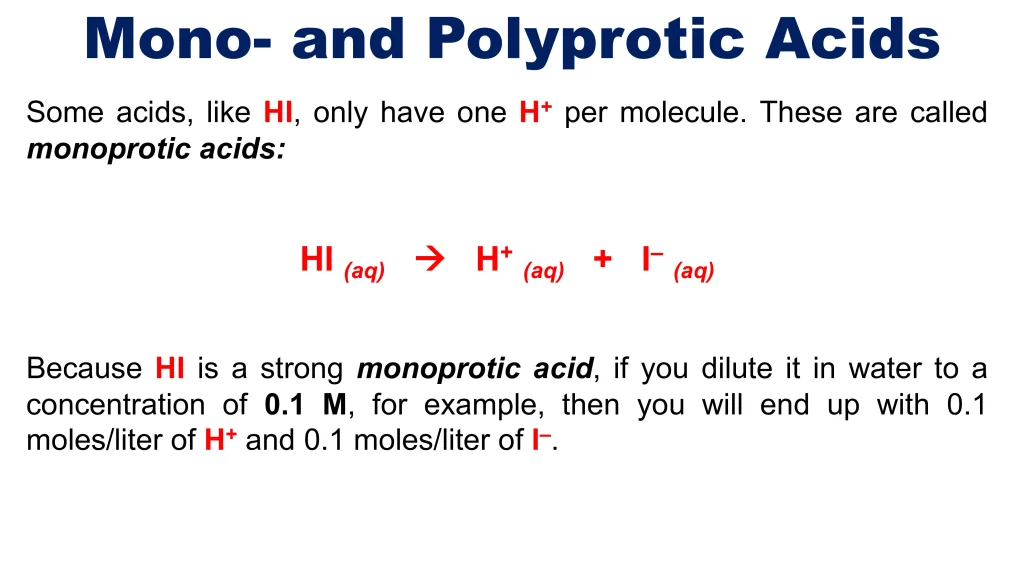
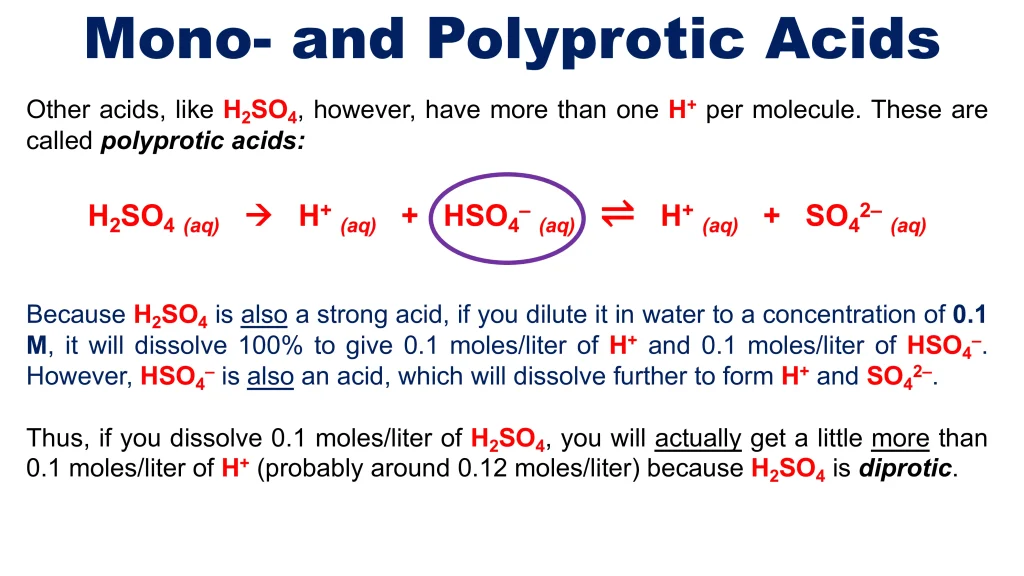
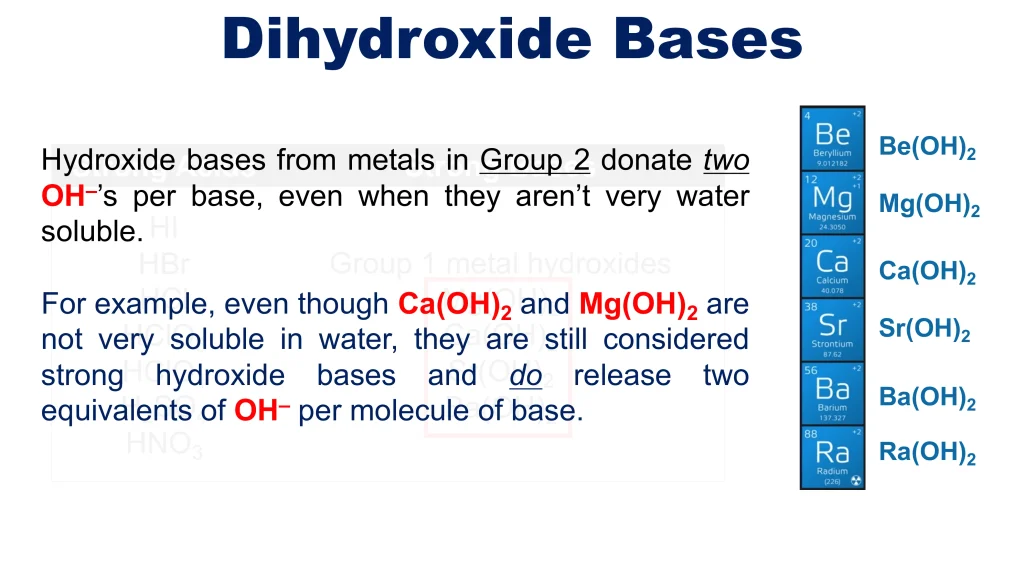
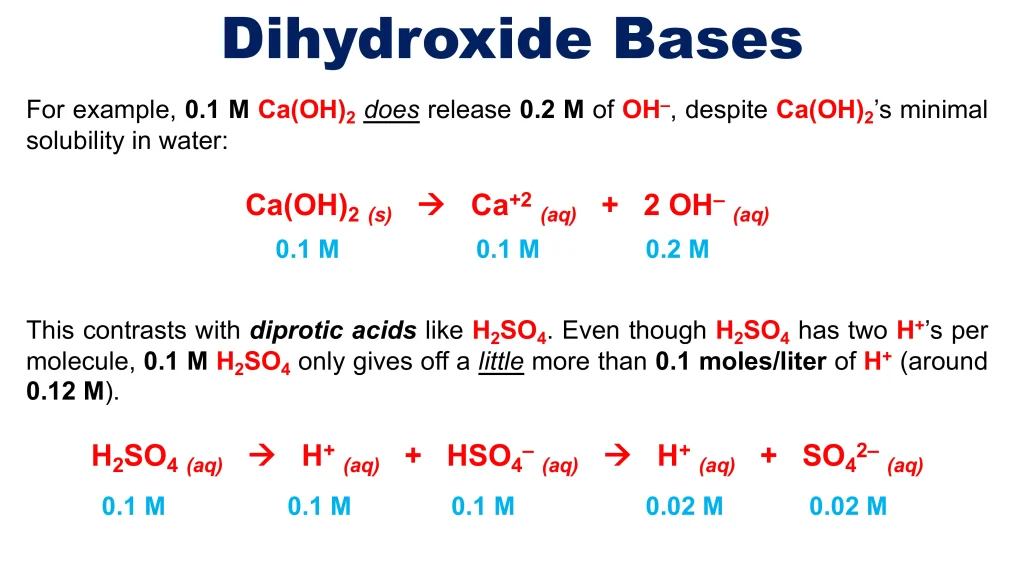
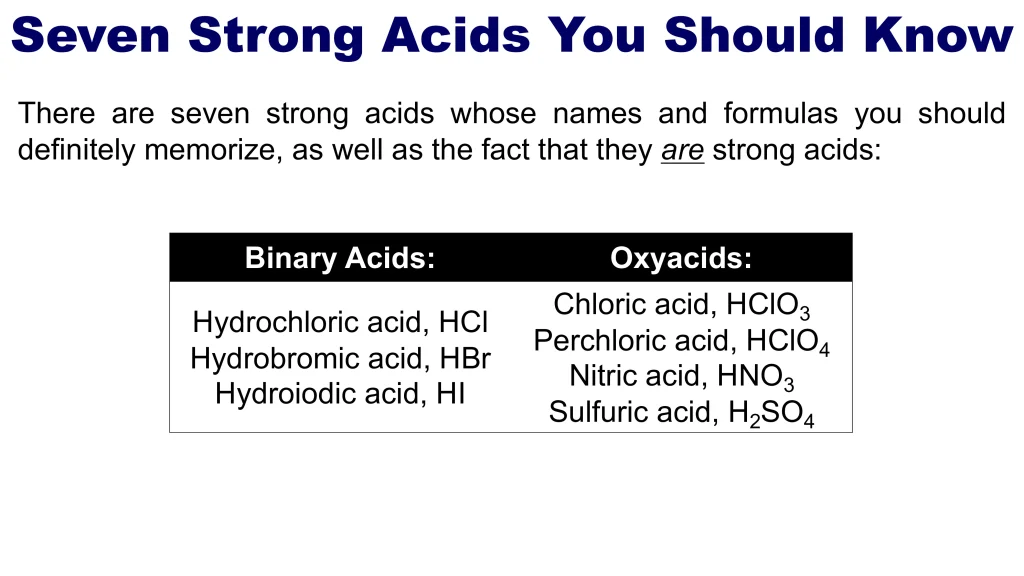
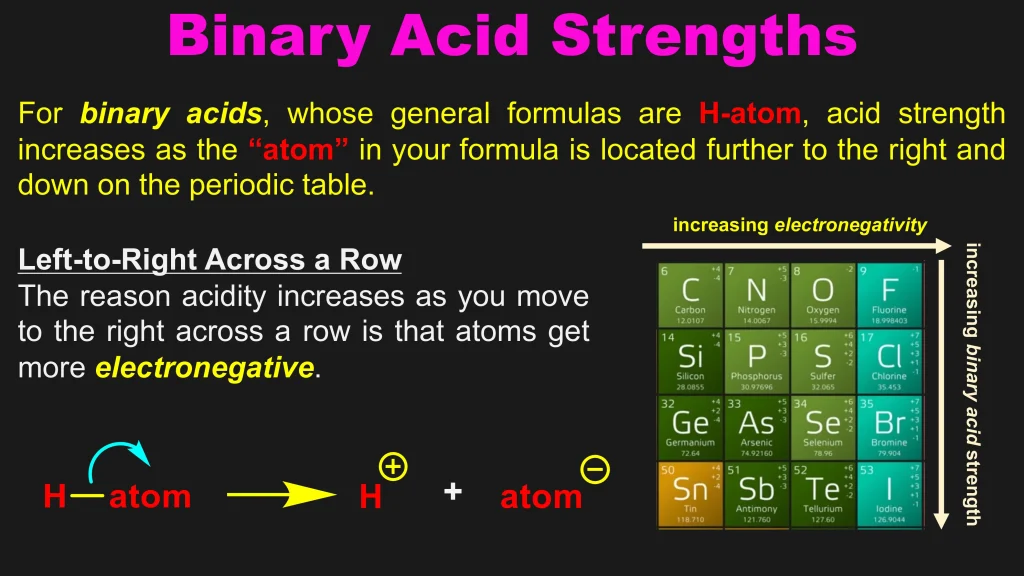
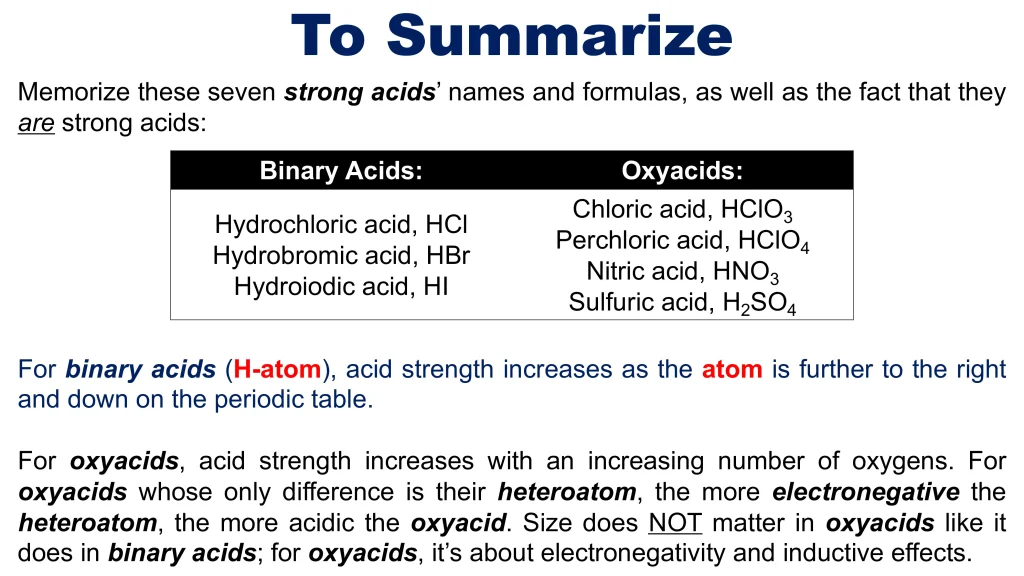
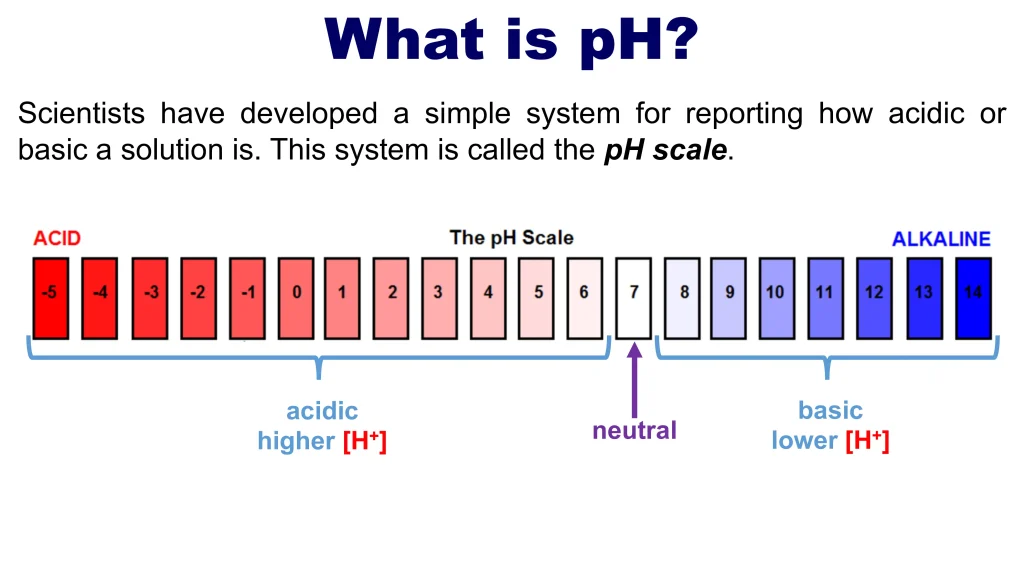
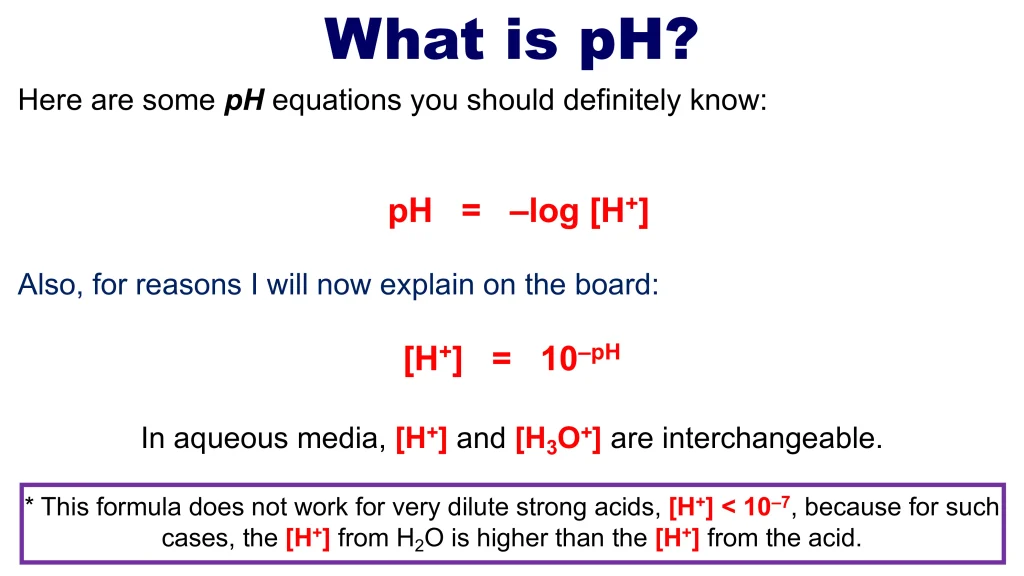
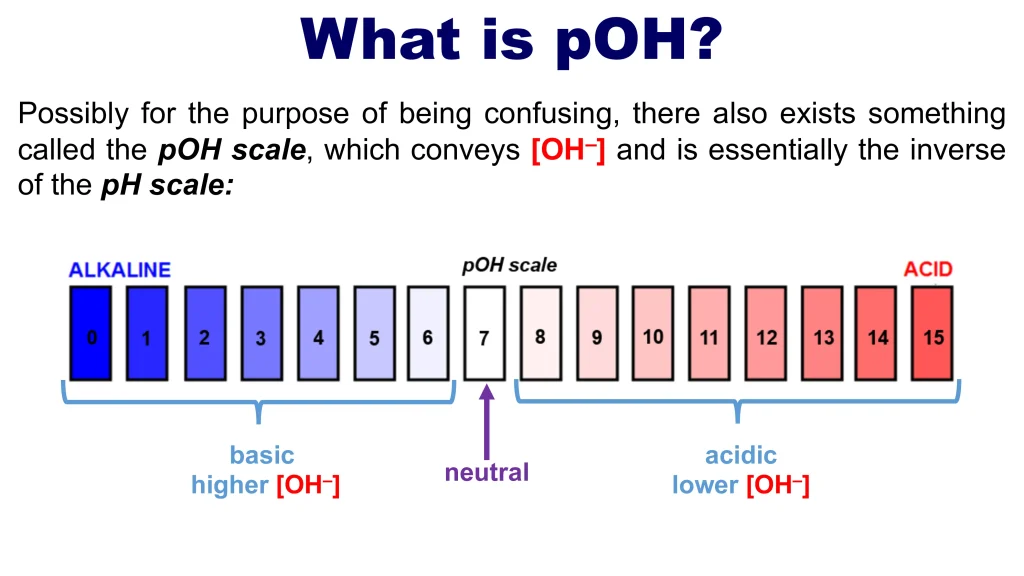
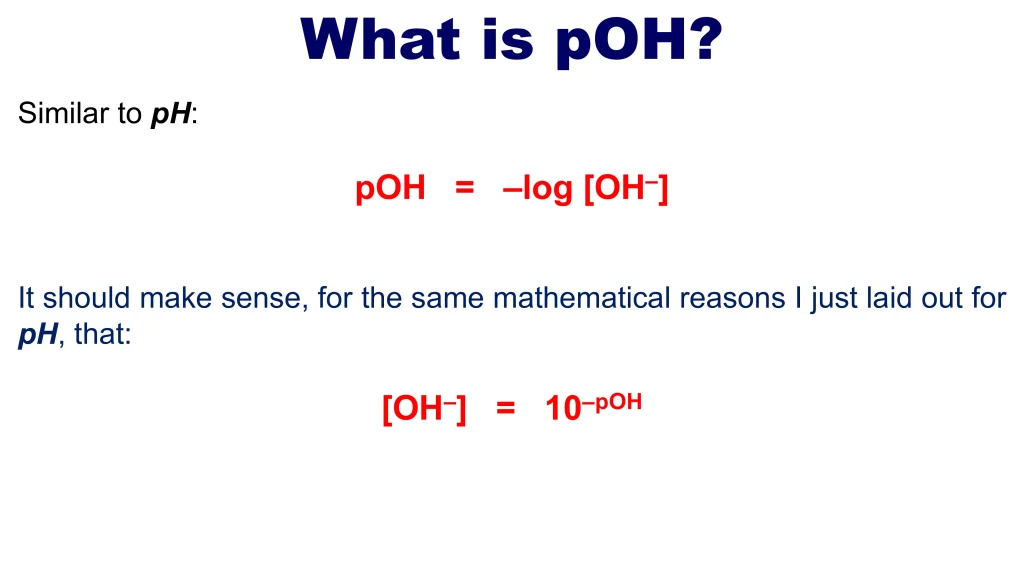
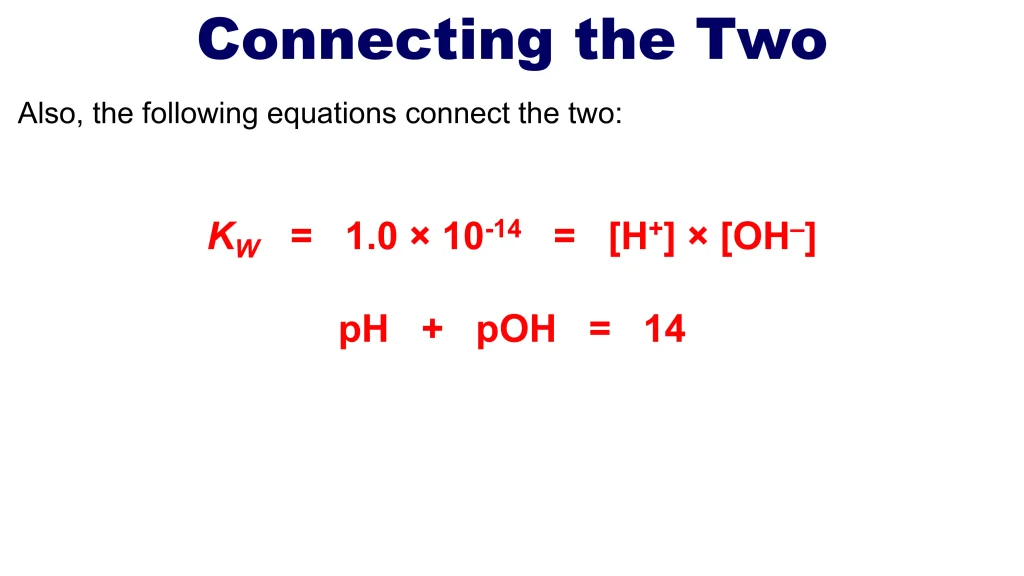
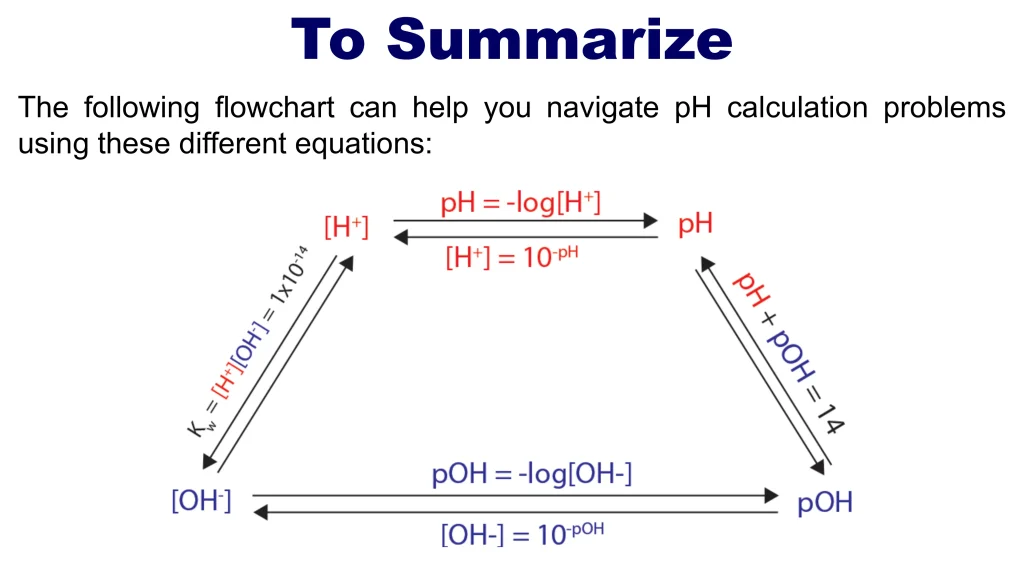
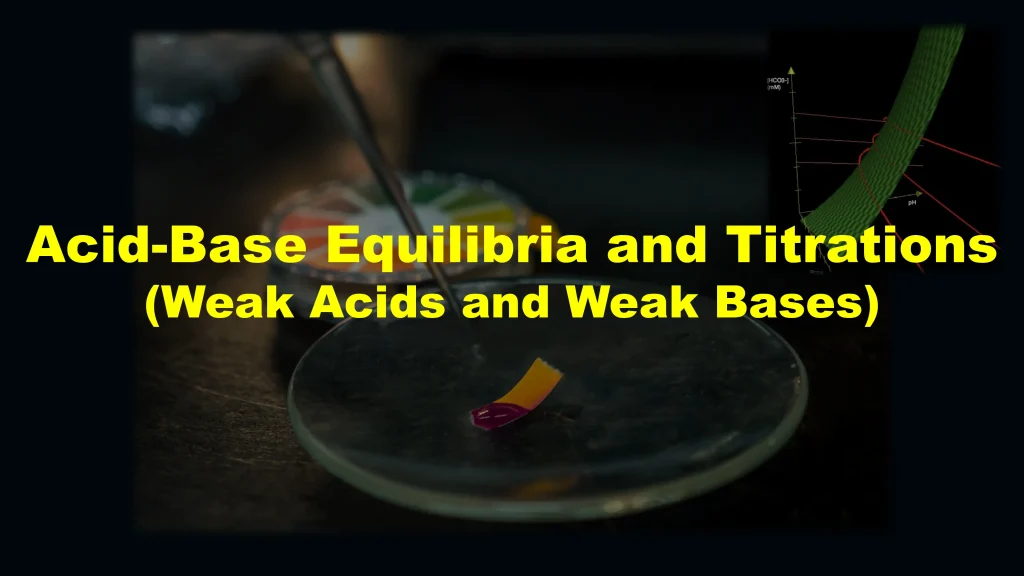
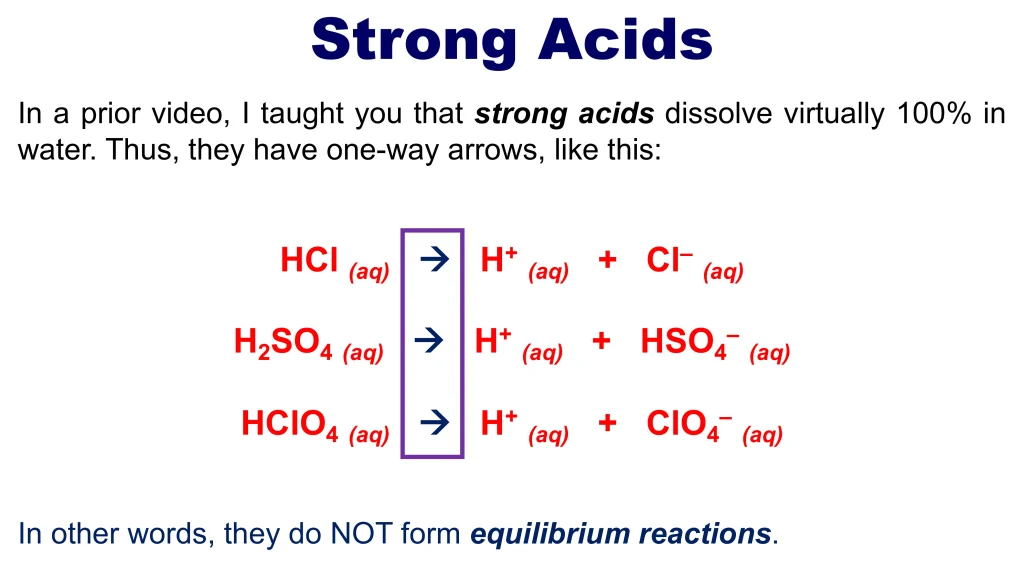
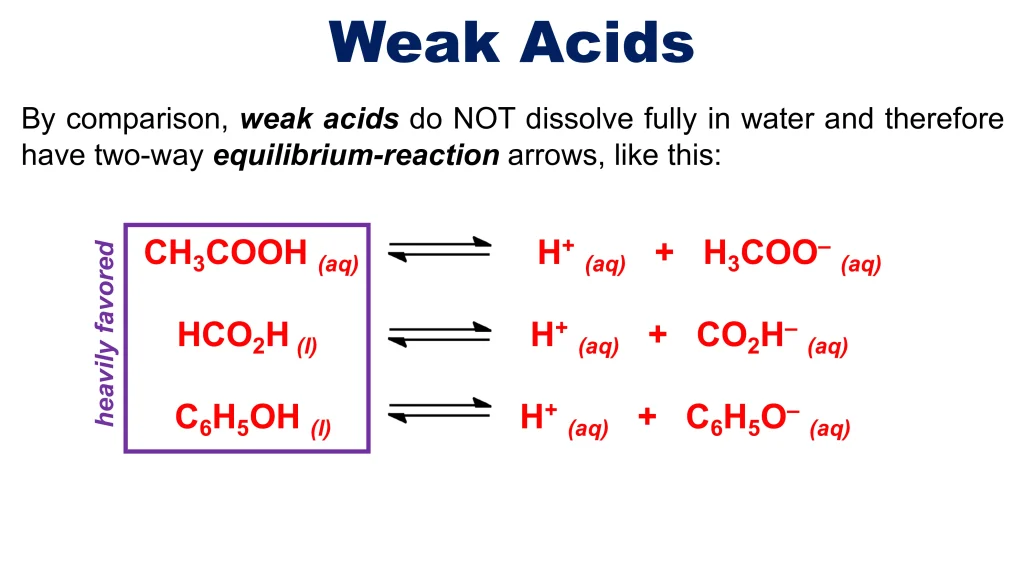
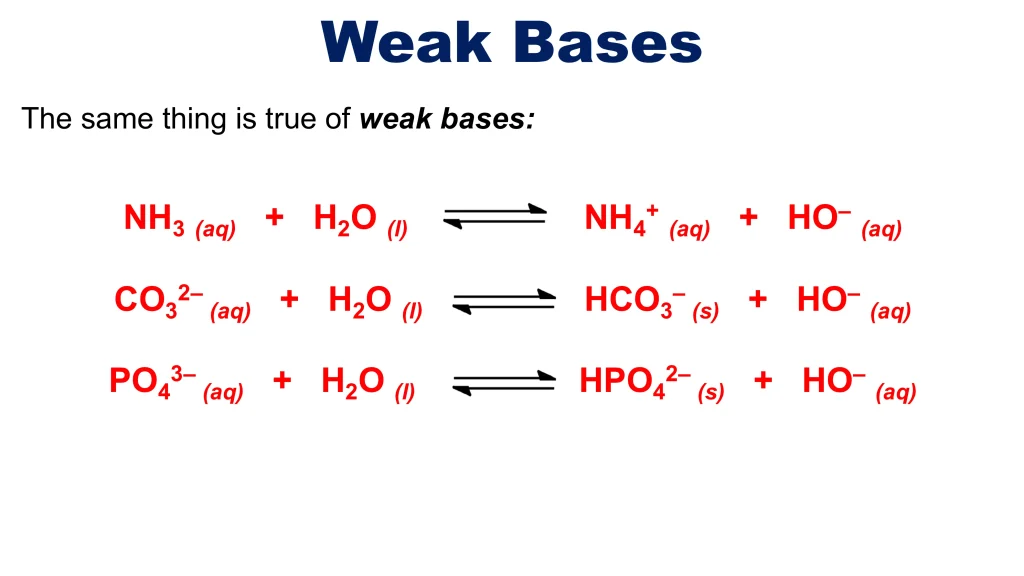
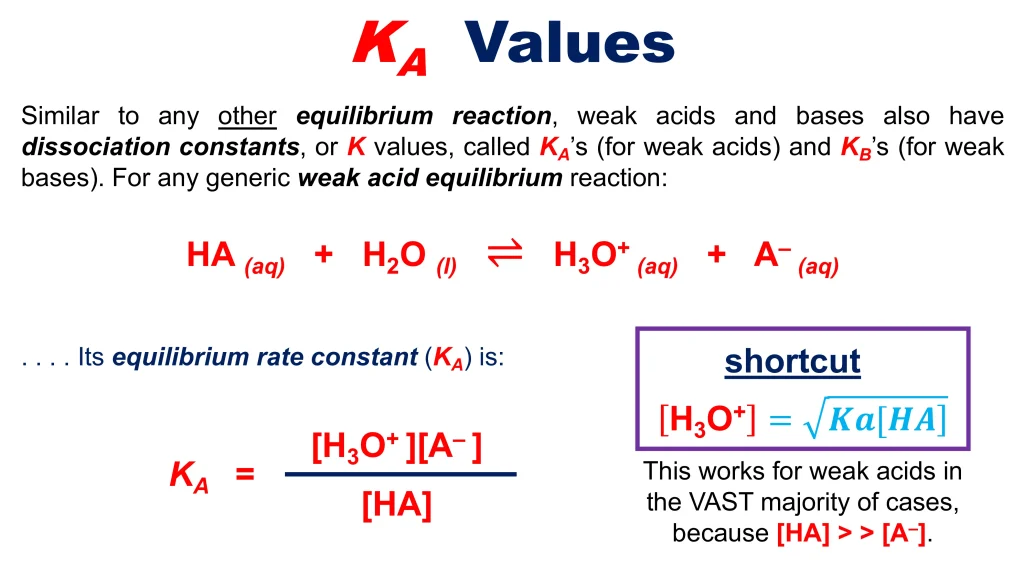
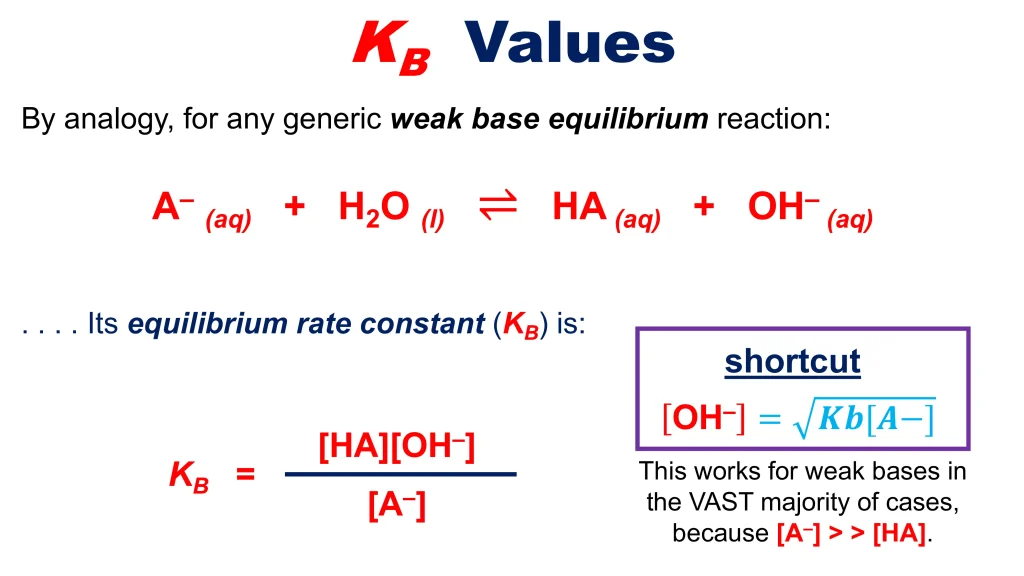
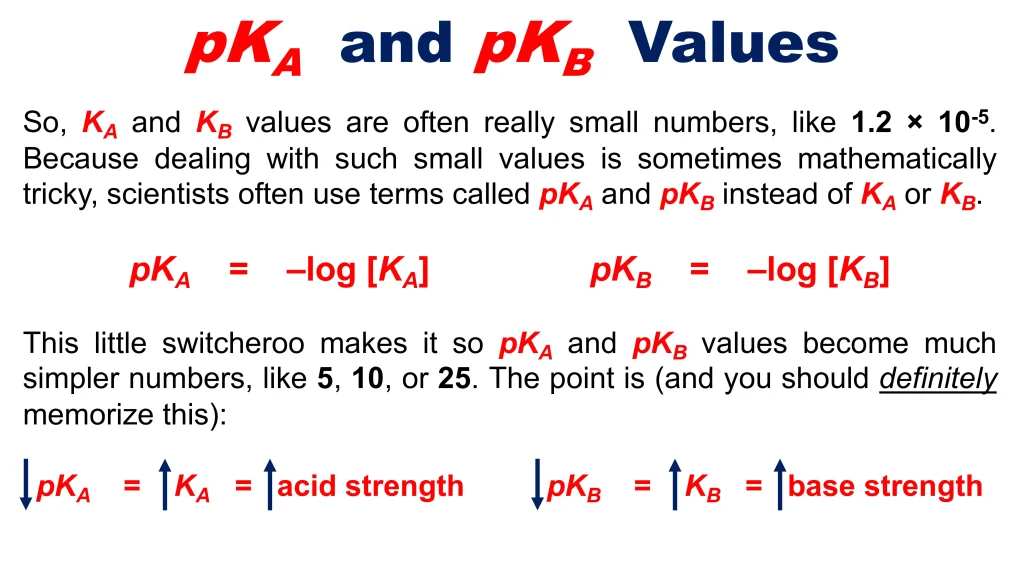
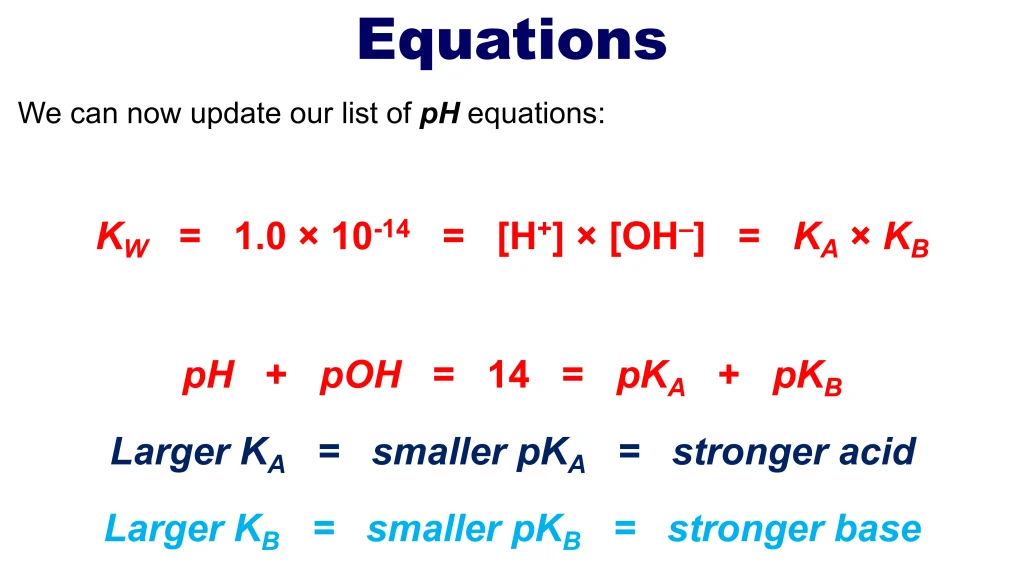
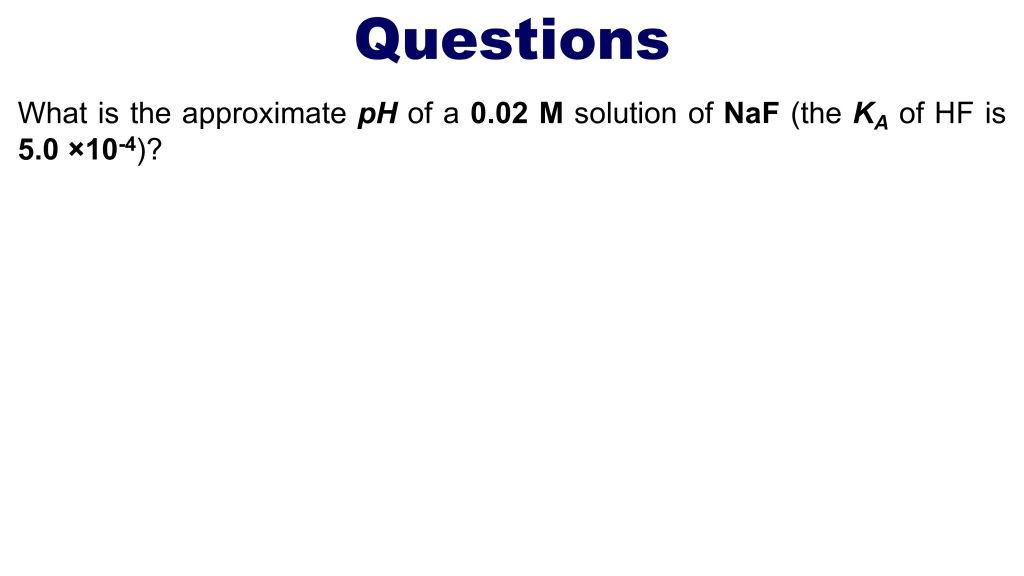
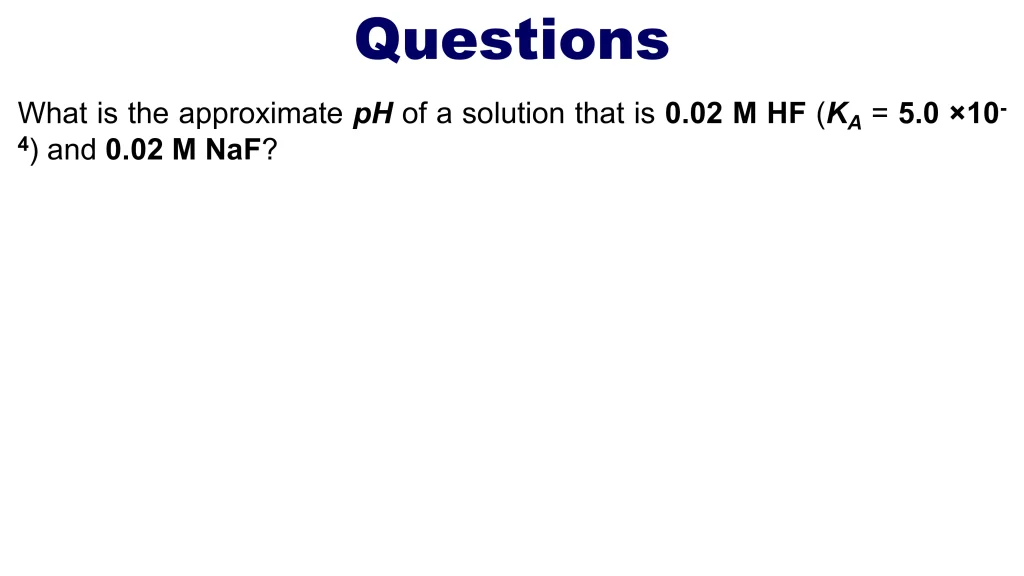
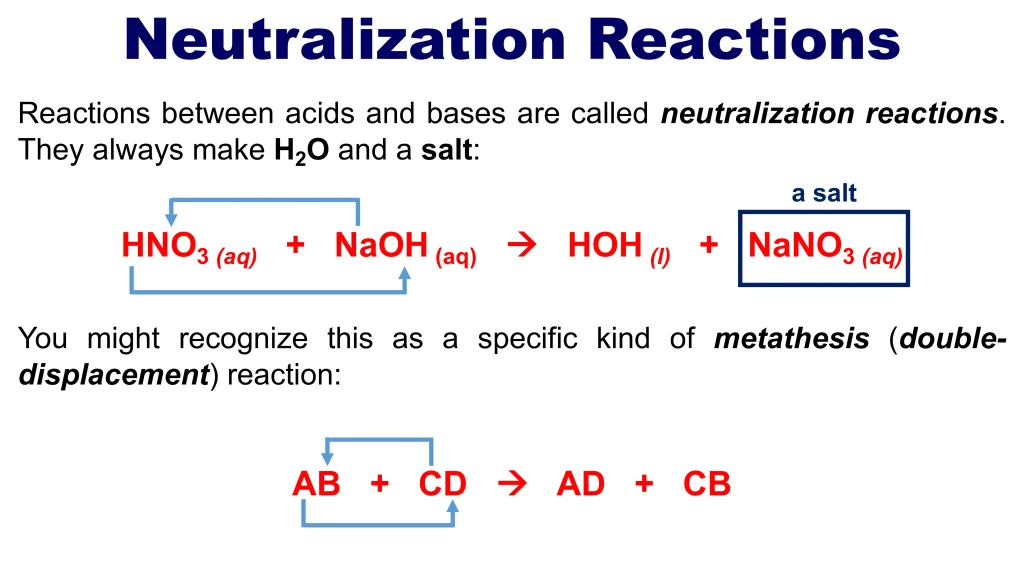
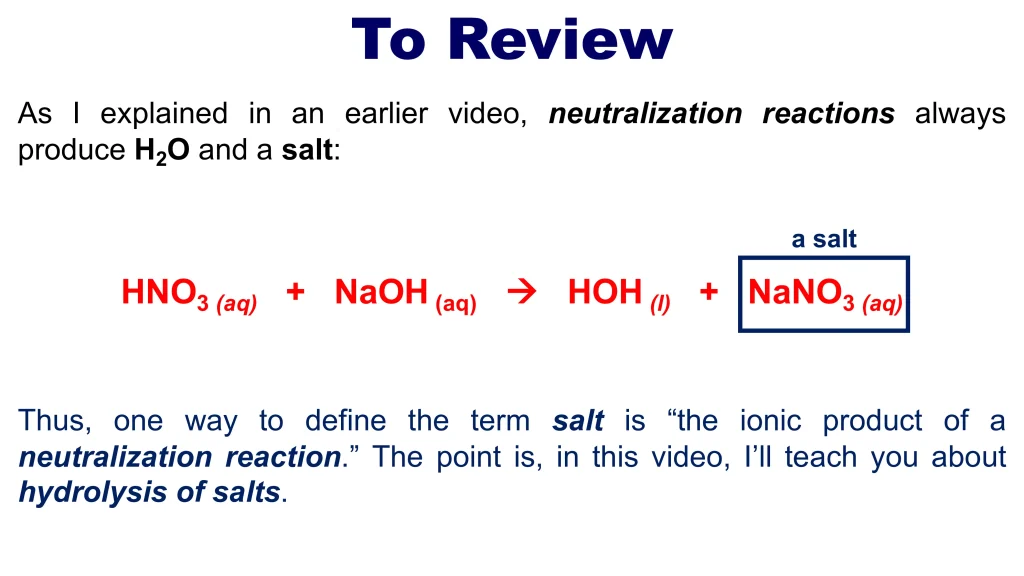
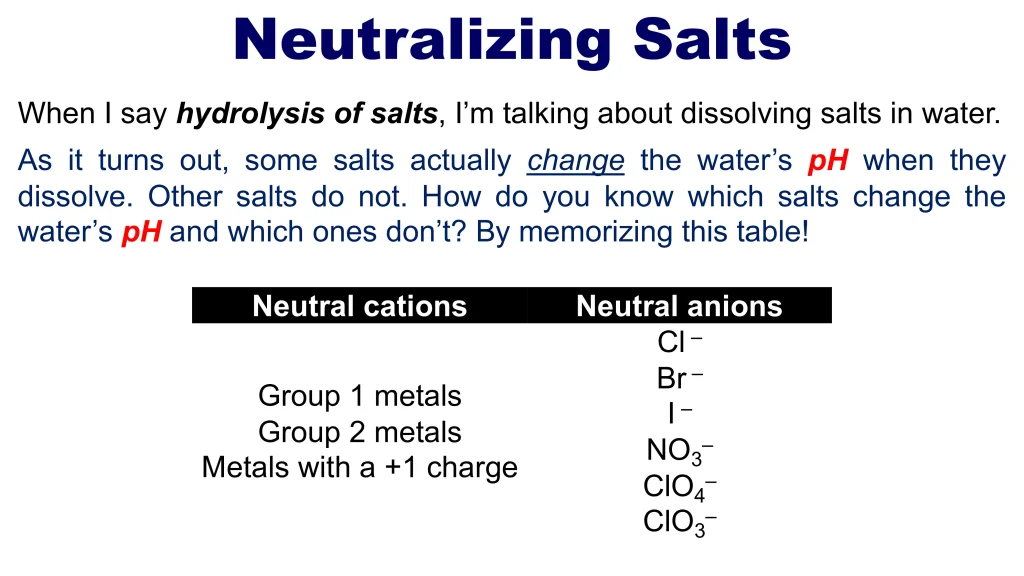
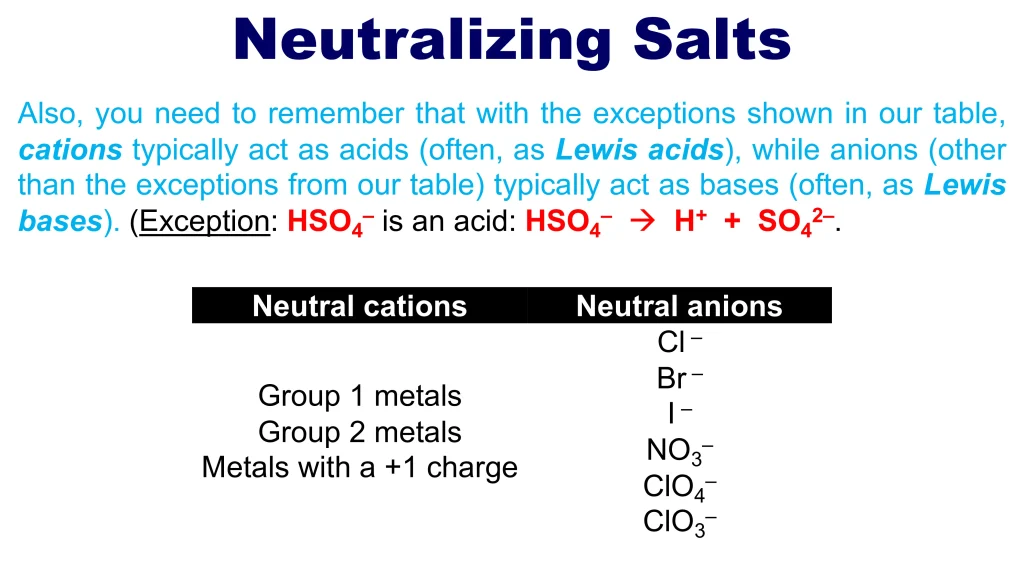
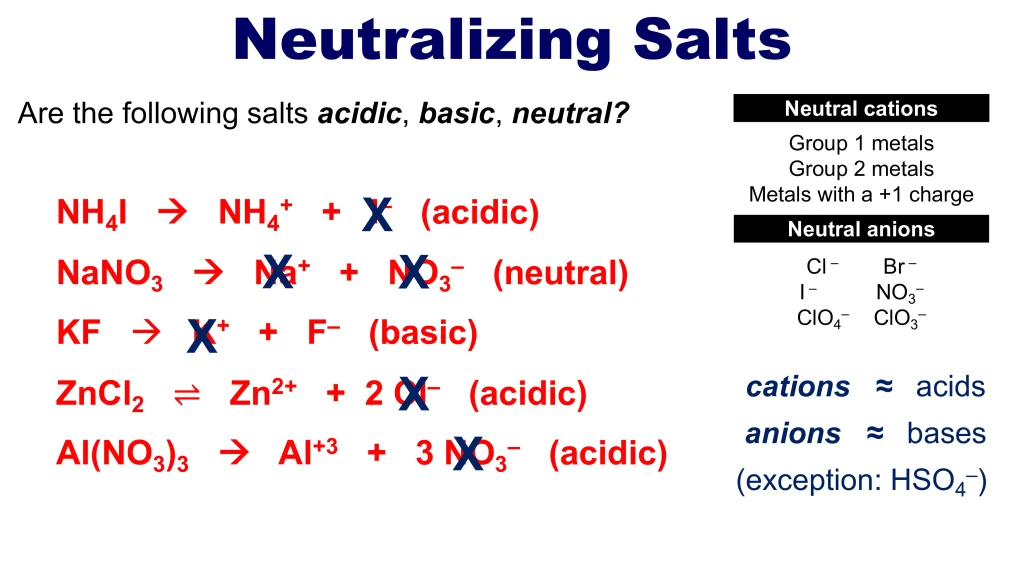
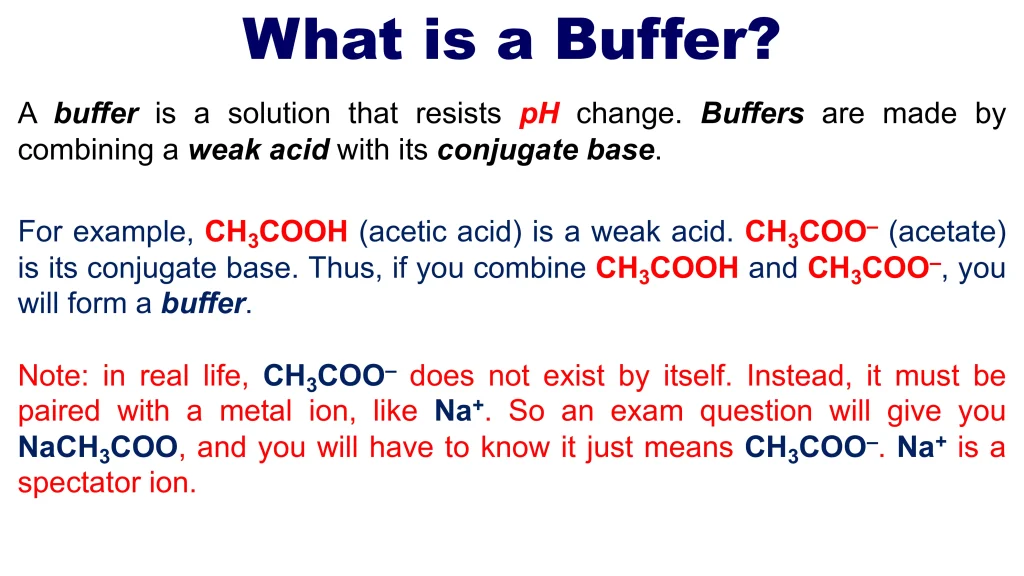
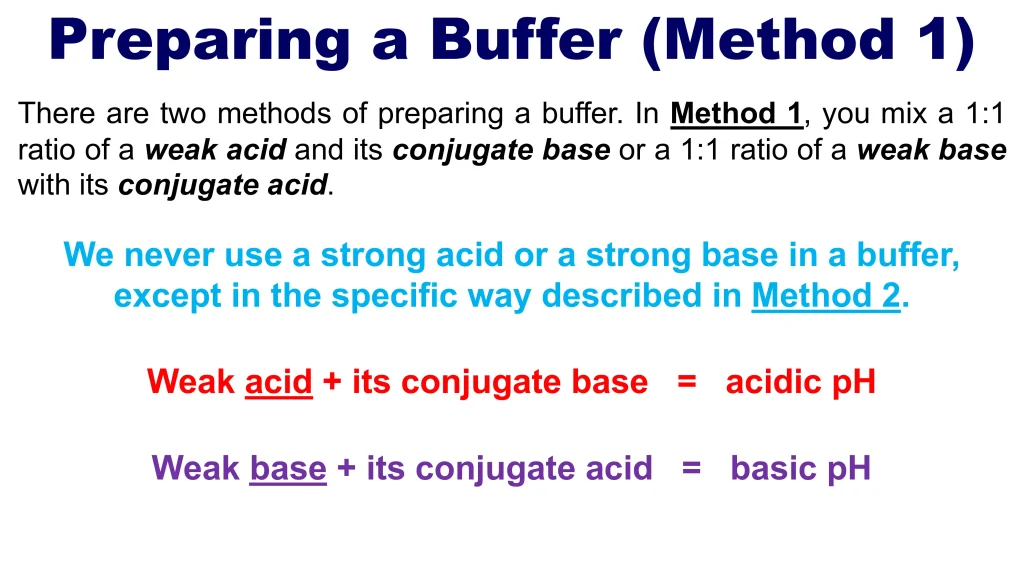
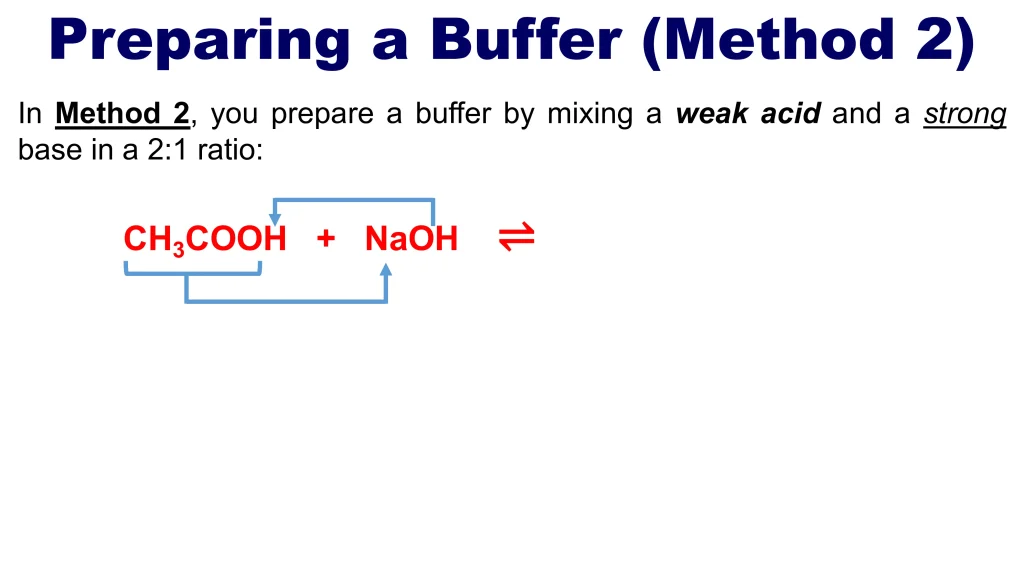
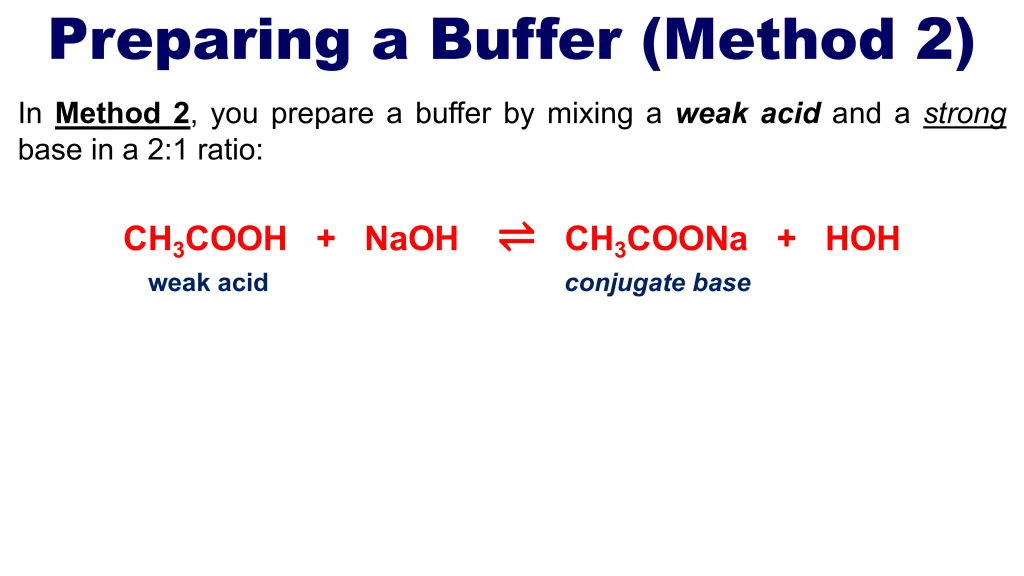
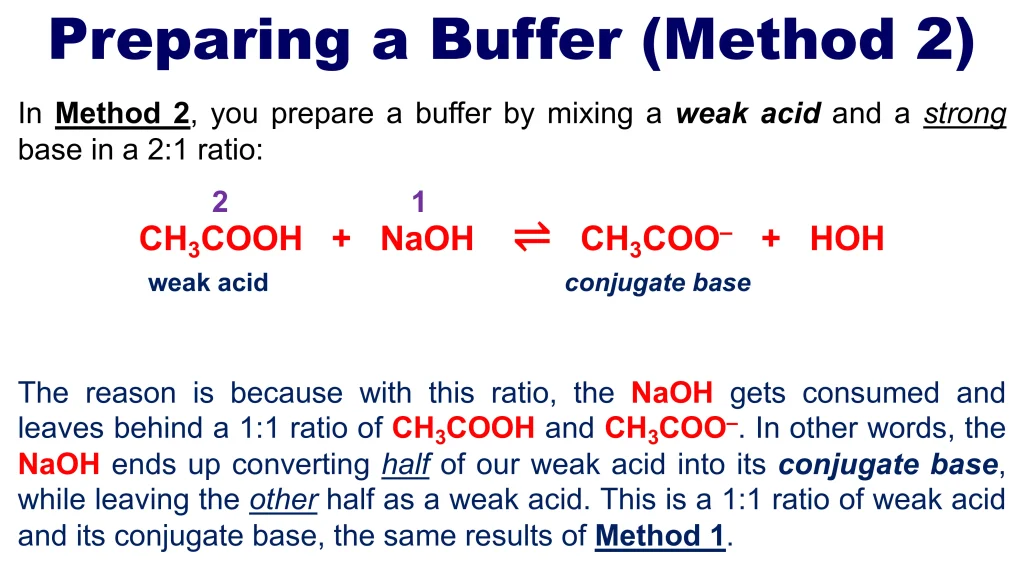
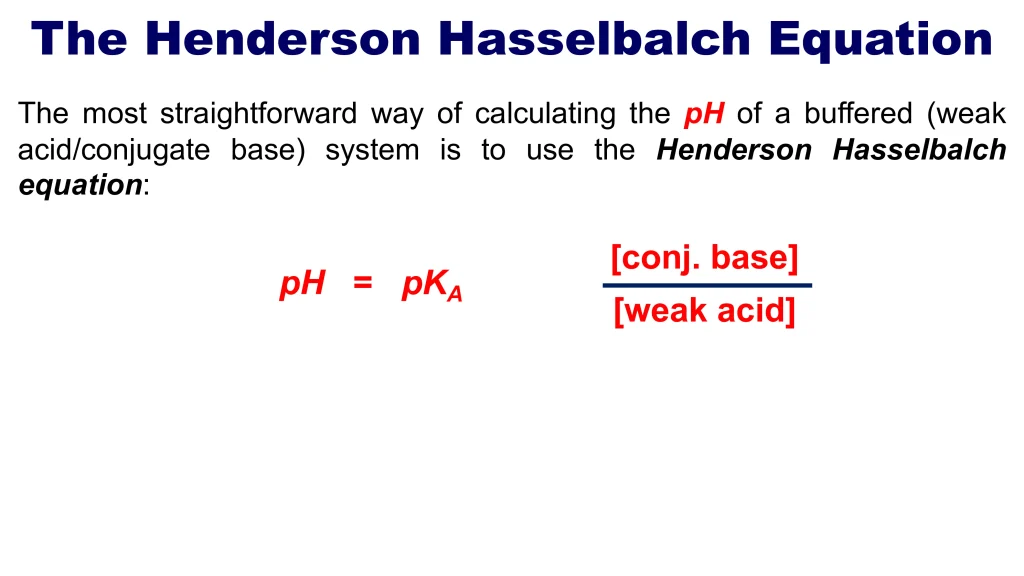
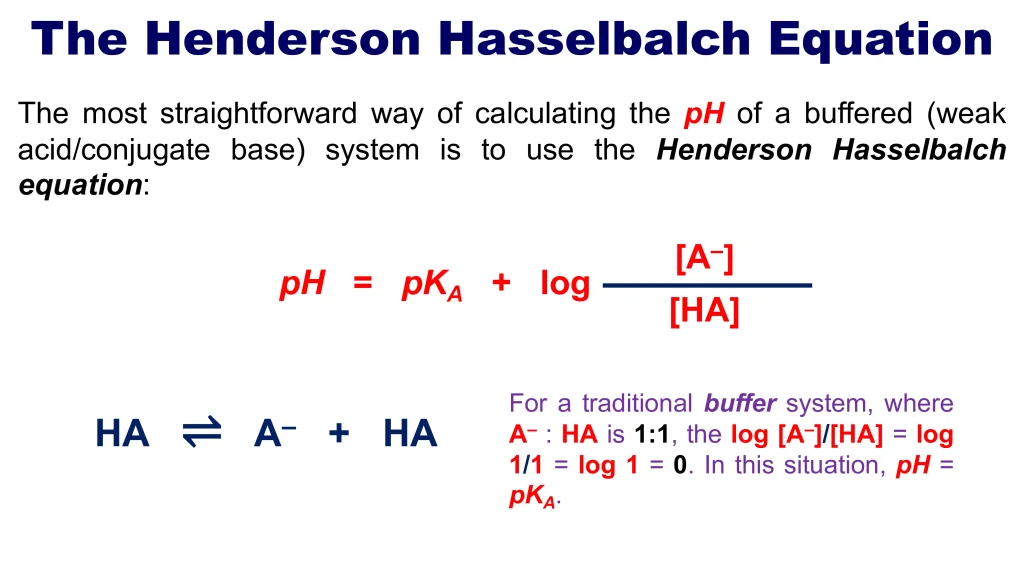
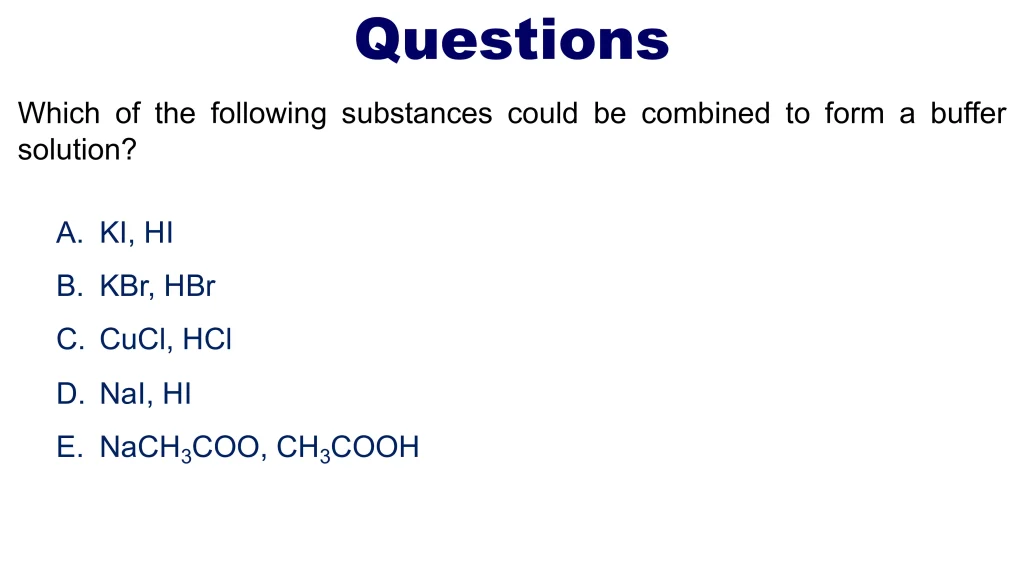
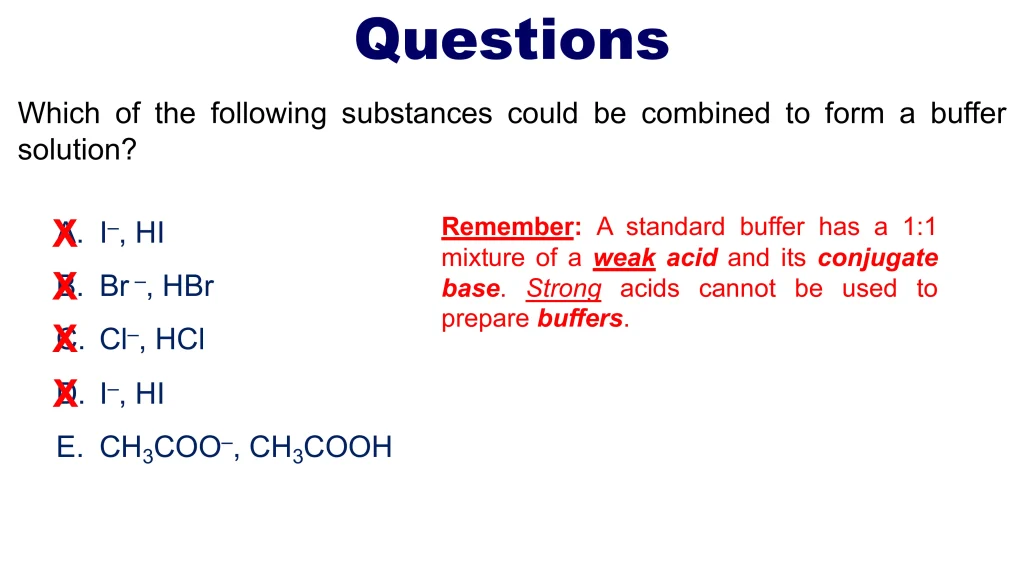
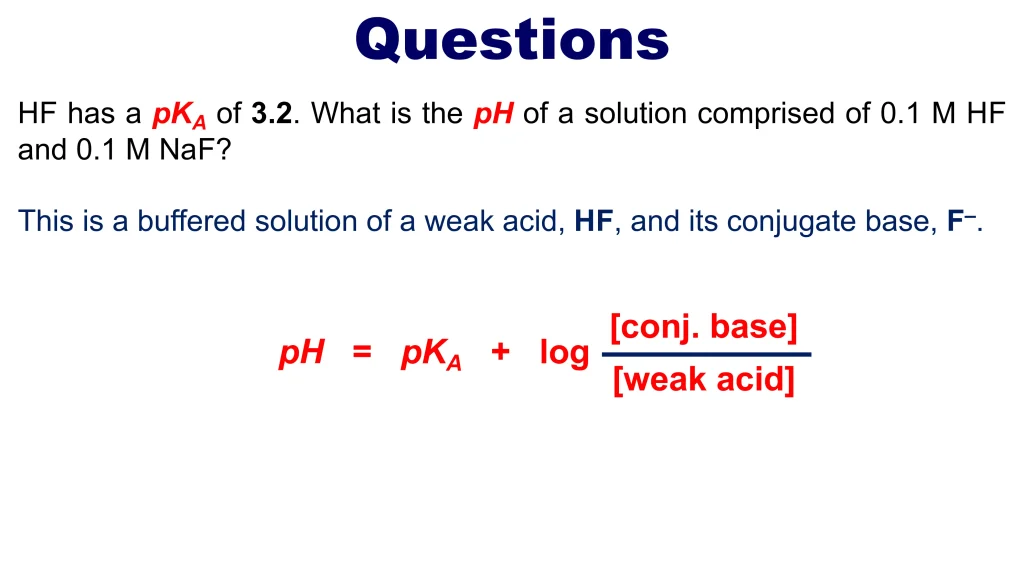
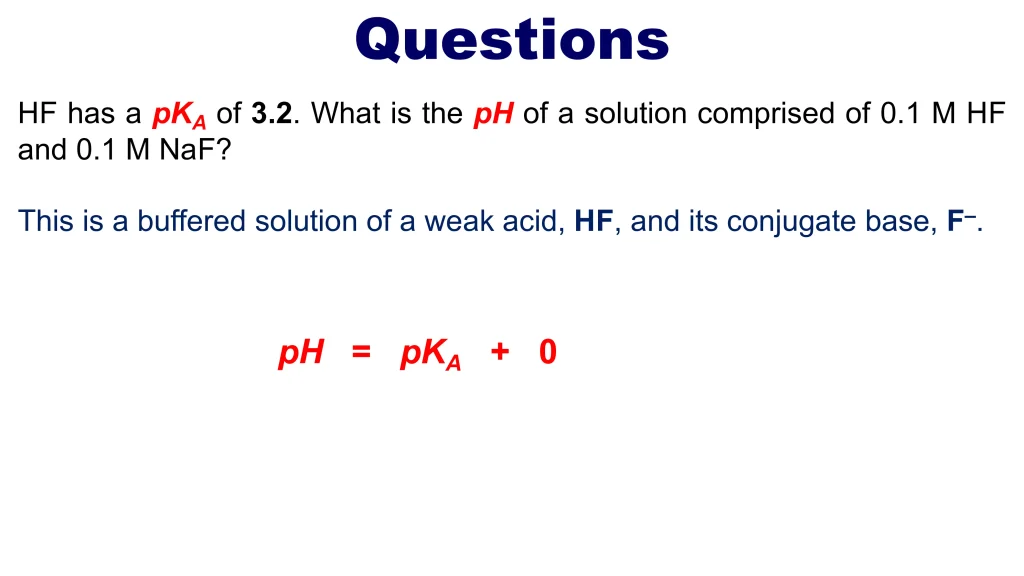
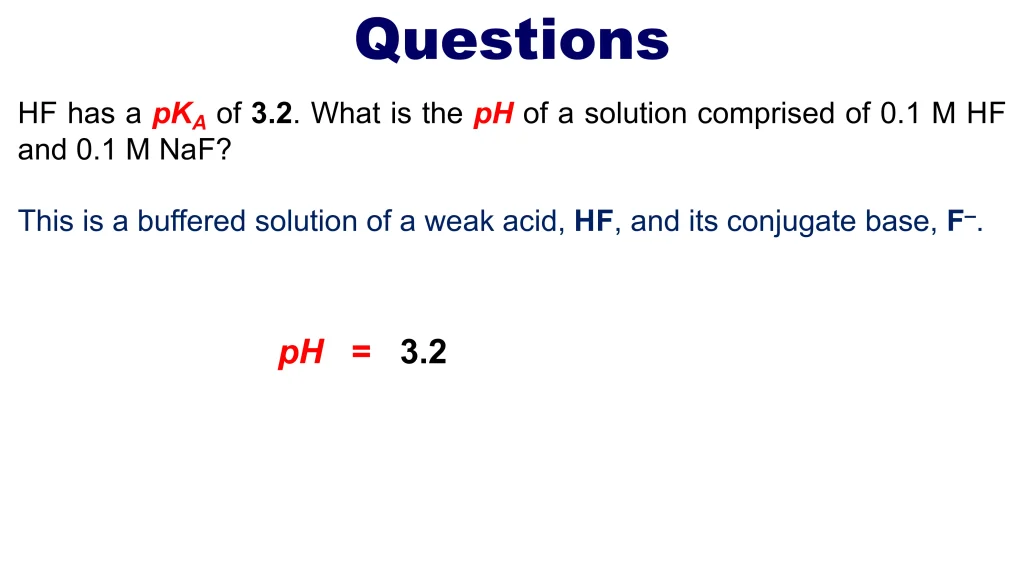
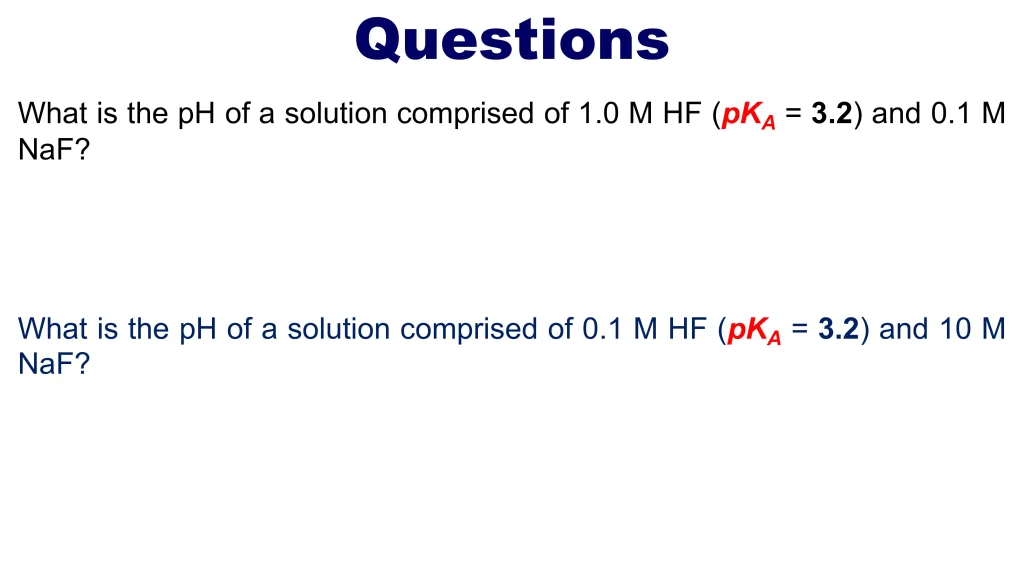
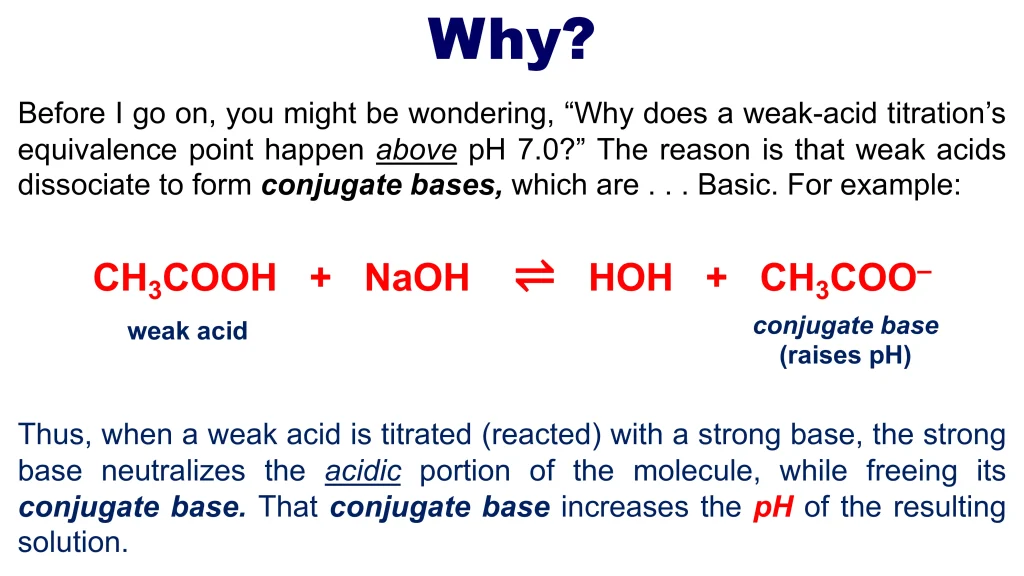
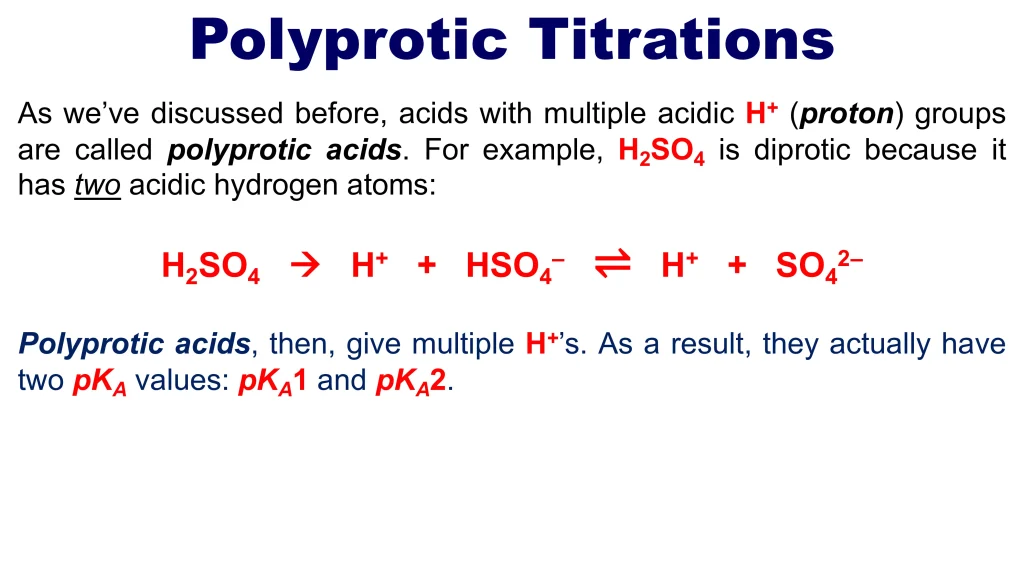
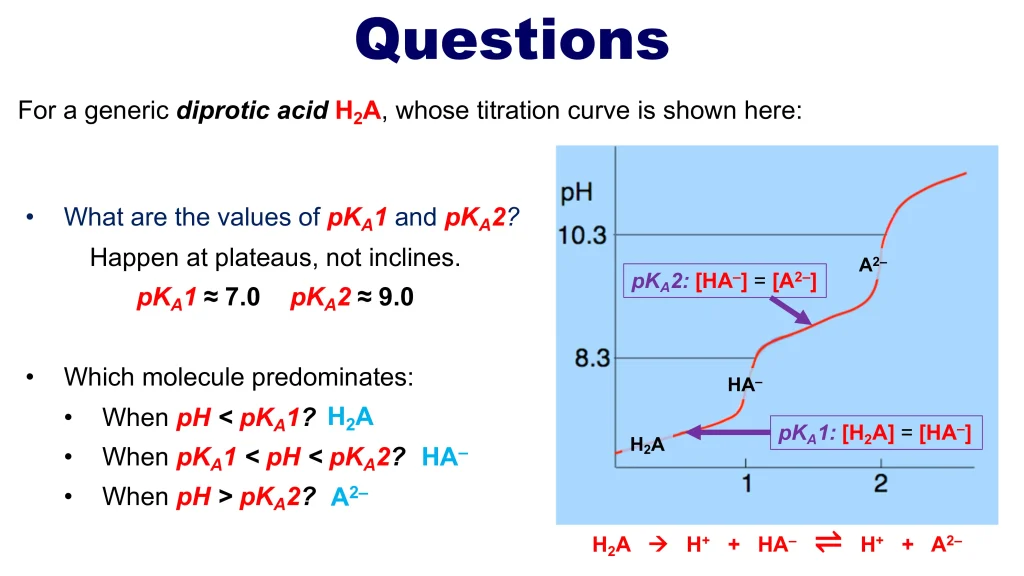
Acid-Base Equilibria and titrations refers to the dynamic balance between acids and bases in a solution. Acids are substances that donate protons (H⁺ ions), while bases accept them. This balance is crucial for determining the pH of a solution, which measures its acidity or alkalinity. The concept is governed by principles such as the Brønsted-Lowry and Lewis theories, and involves calculations using equilibrium constants like Ka (acid dissociation constant) and Kb (base dissociation constant).
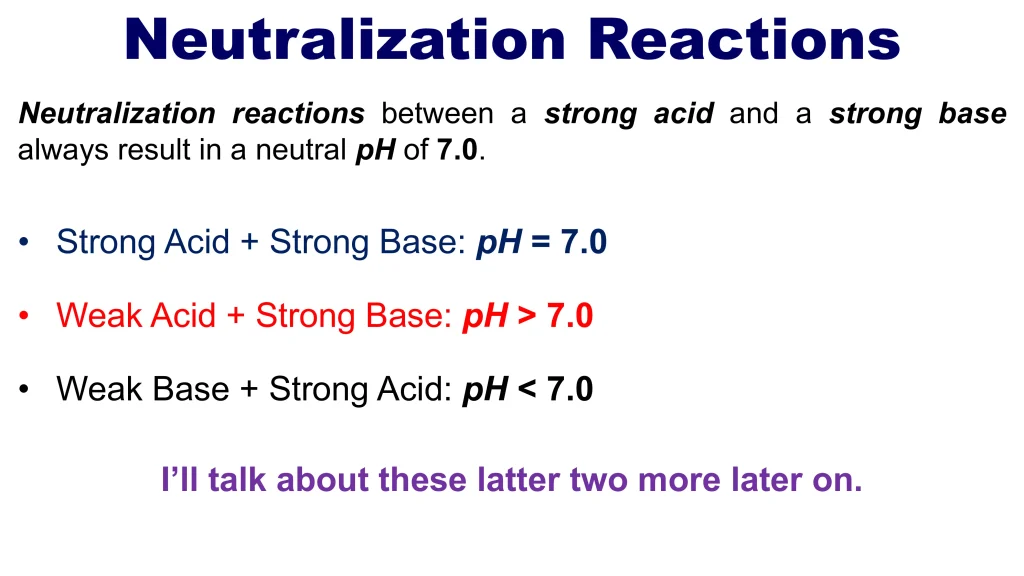
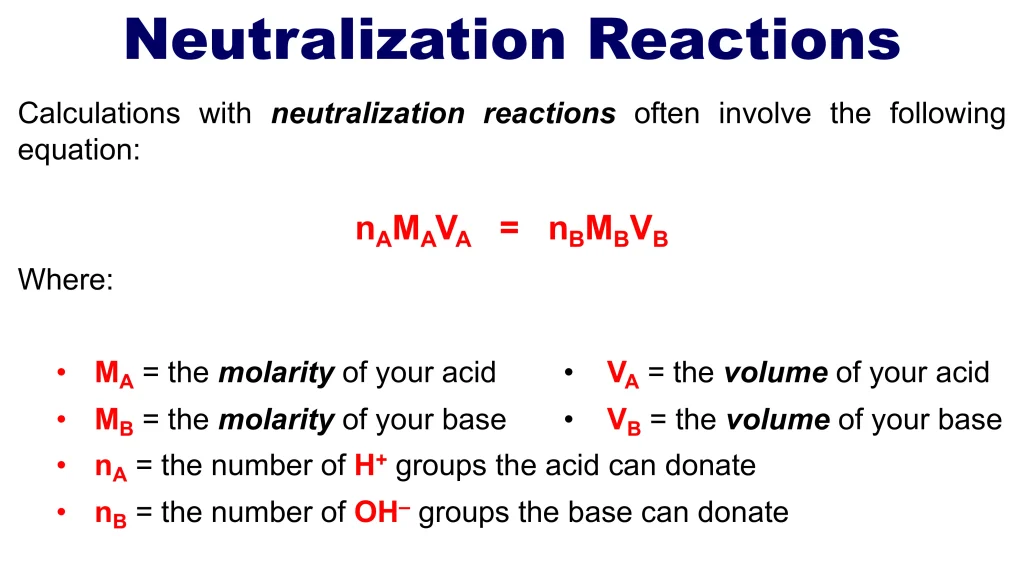
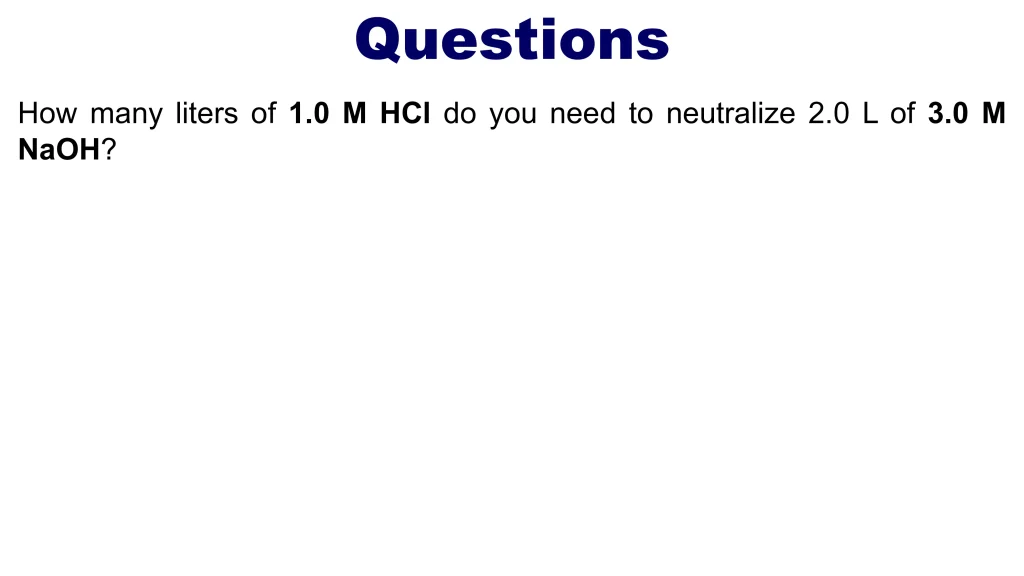
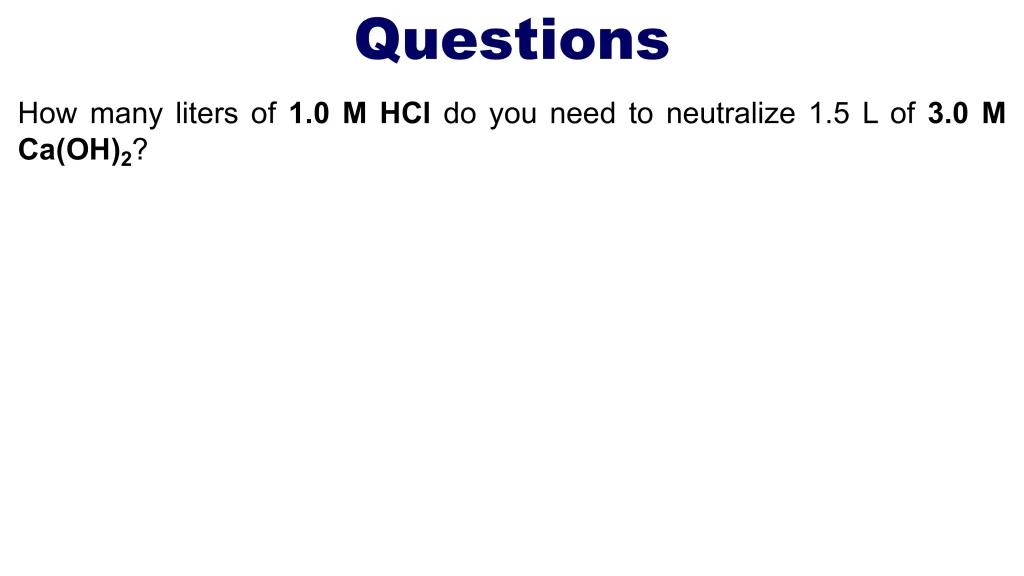
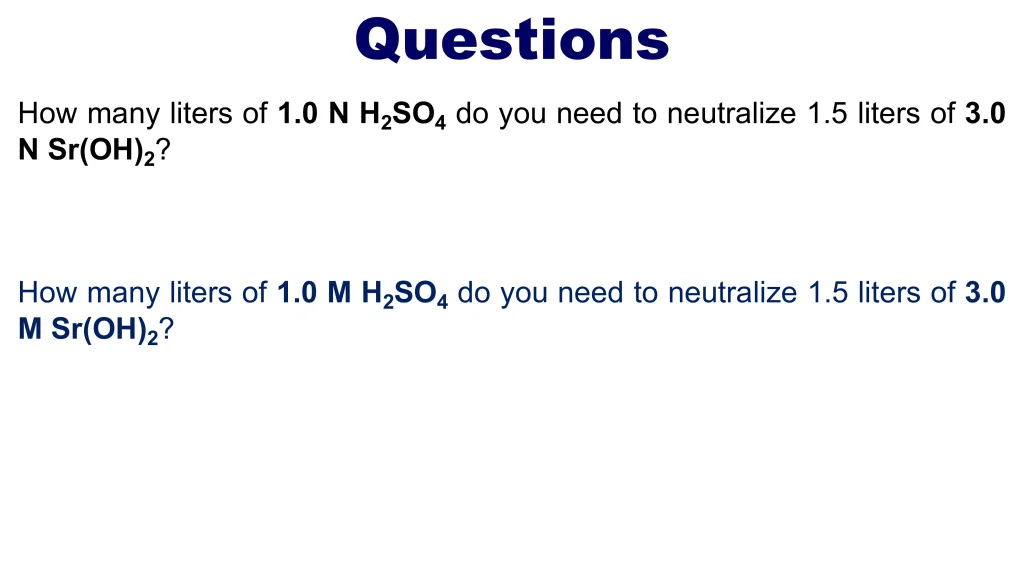
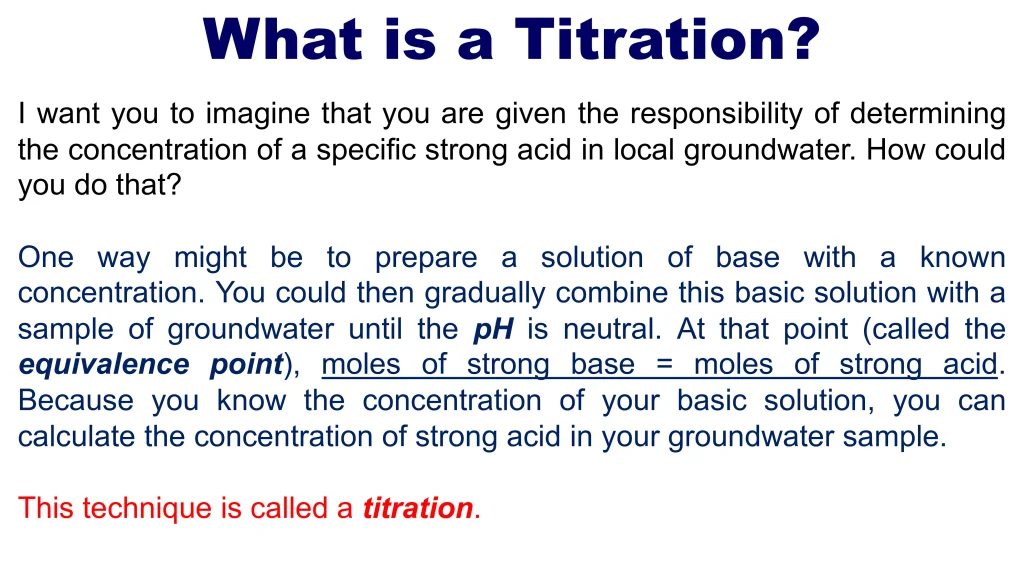
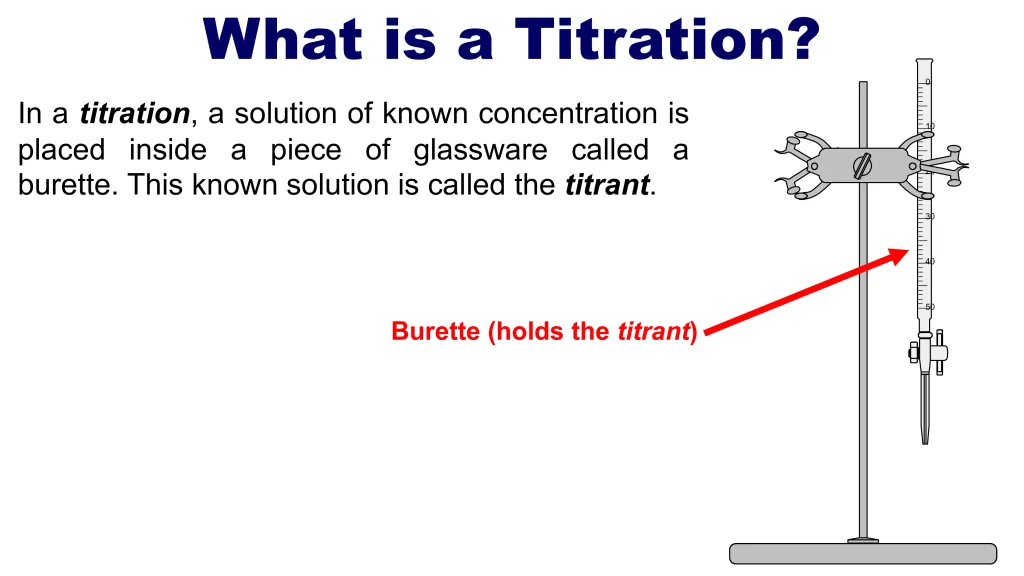
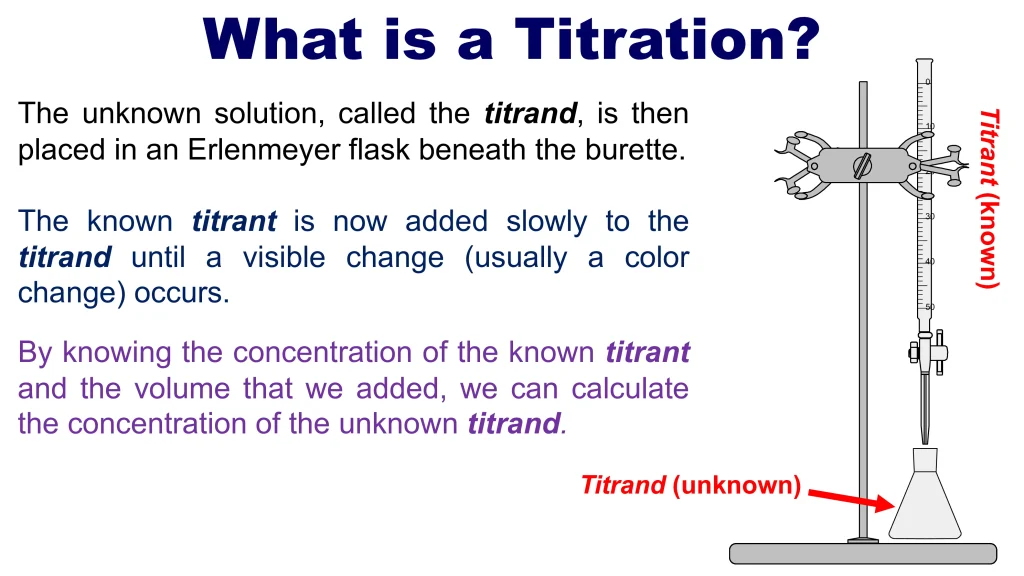
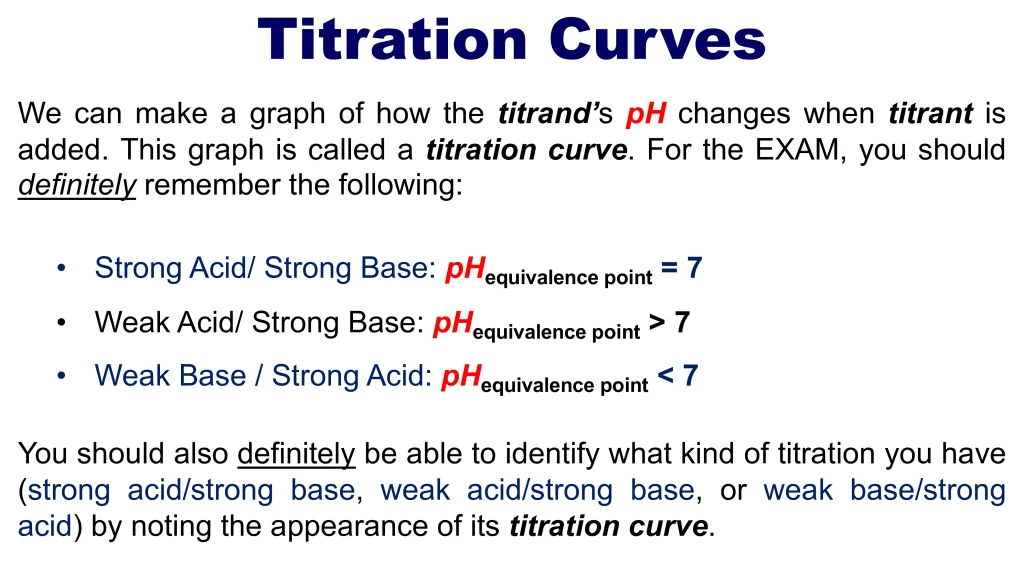
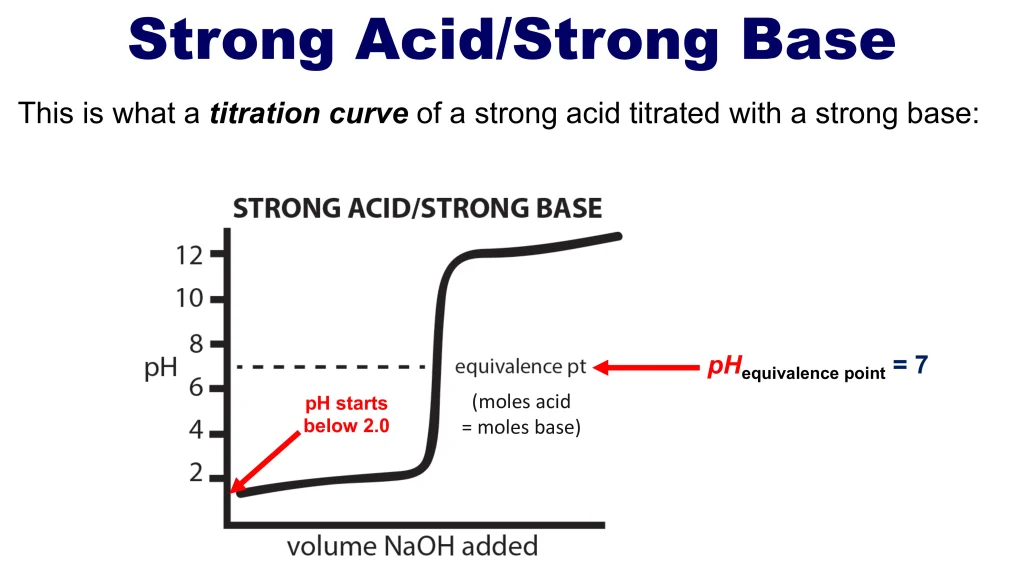
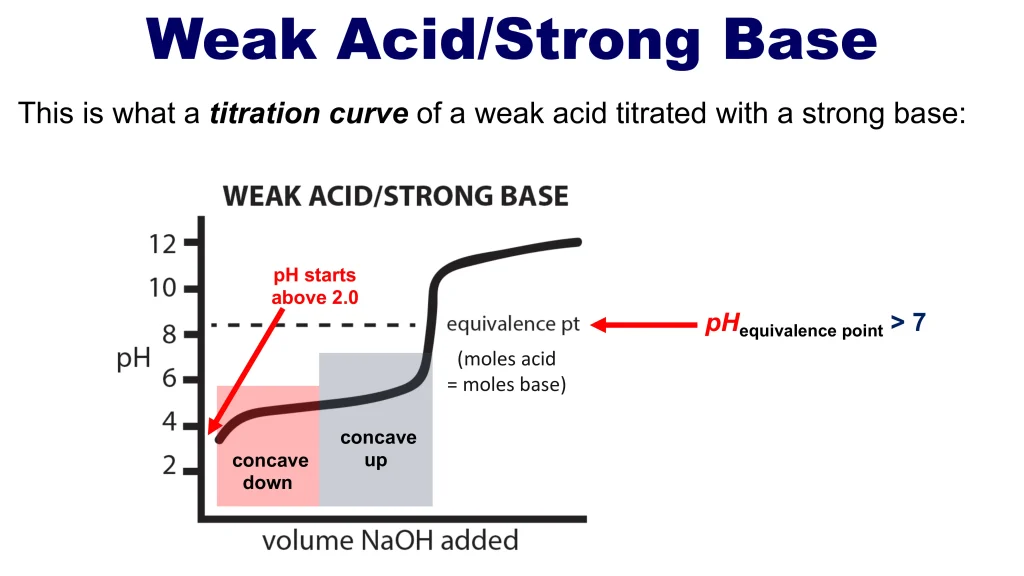
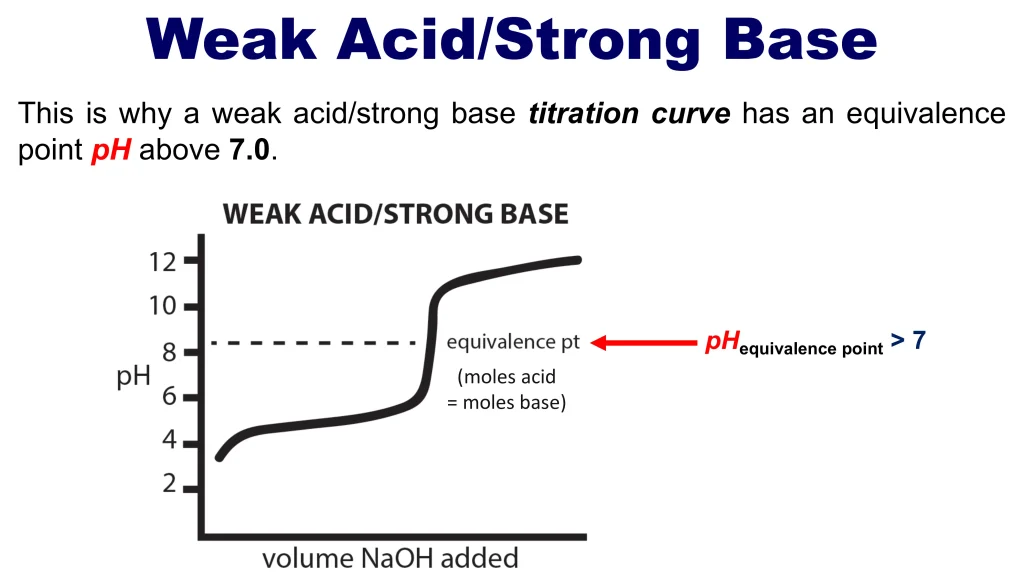
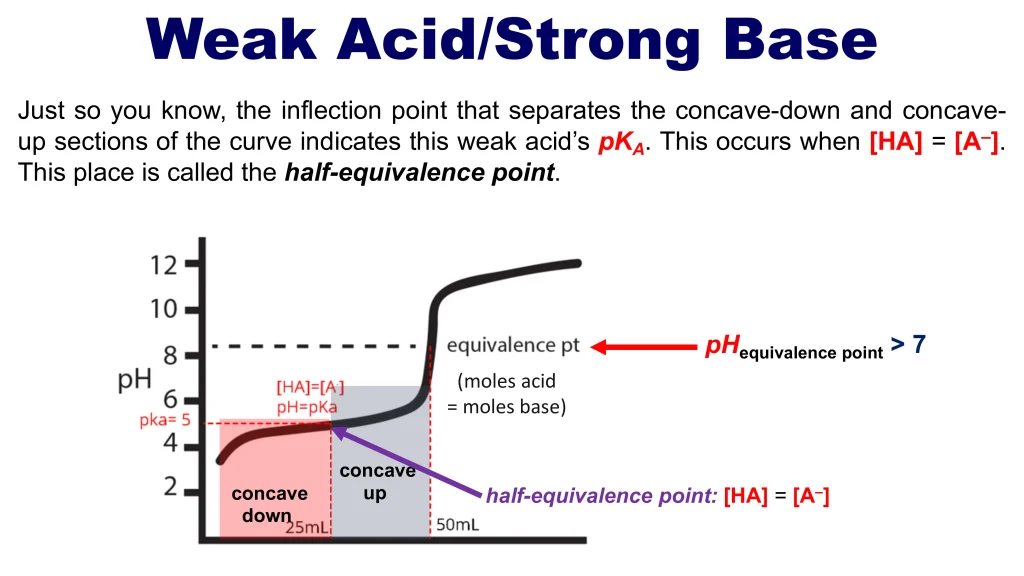
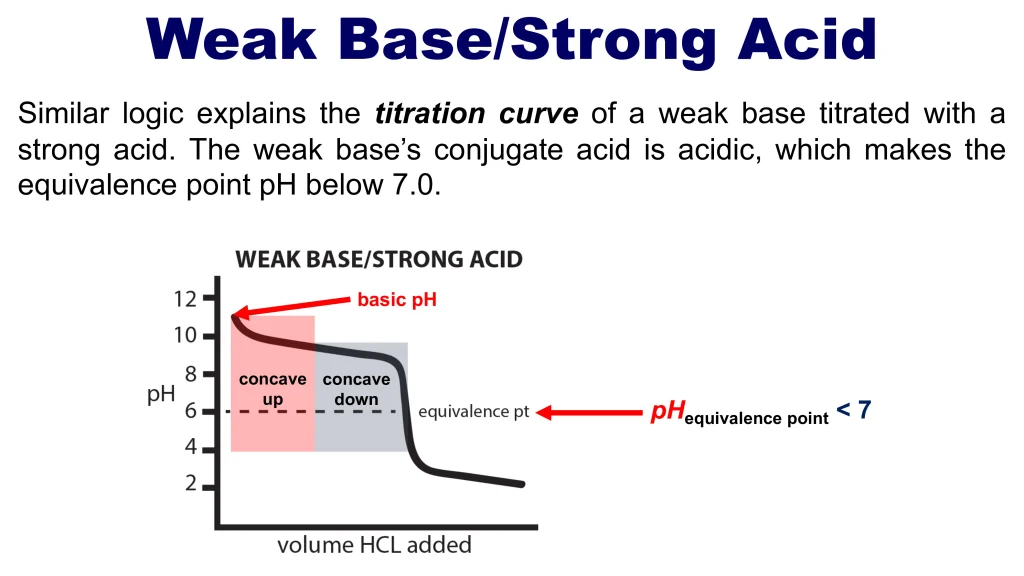
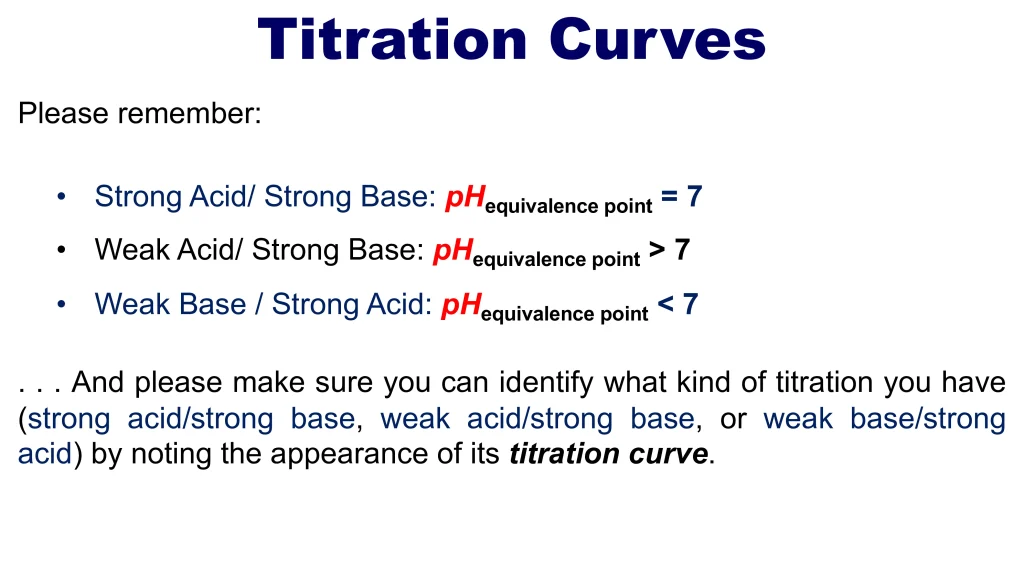
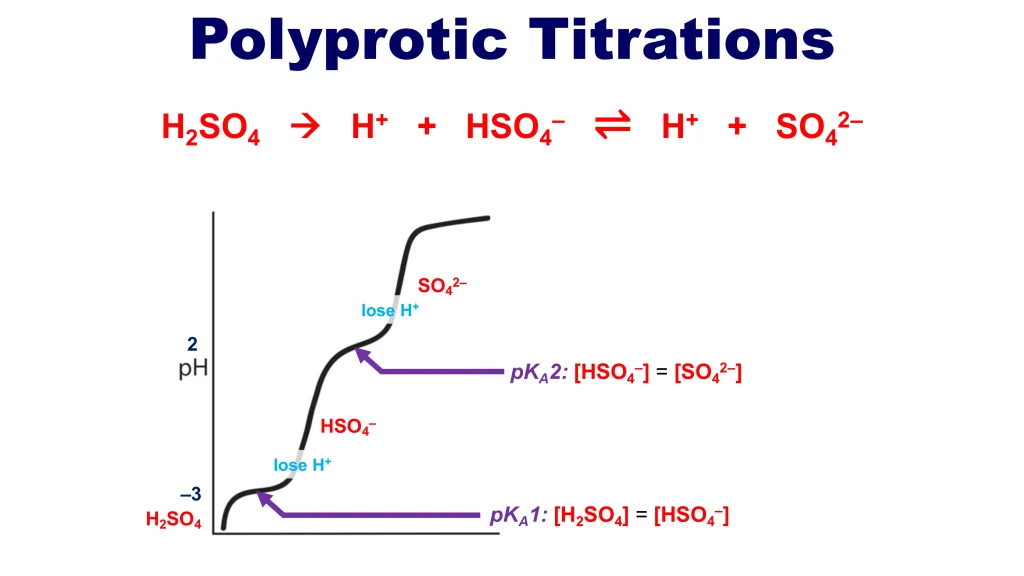
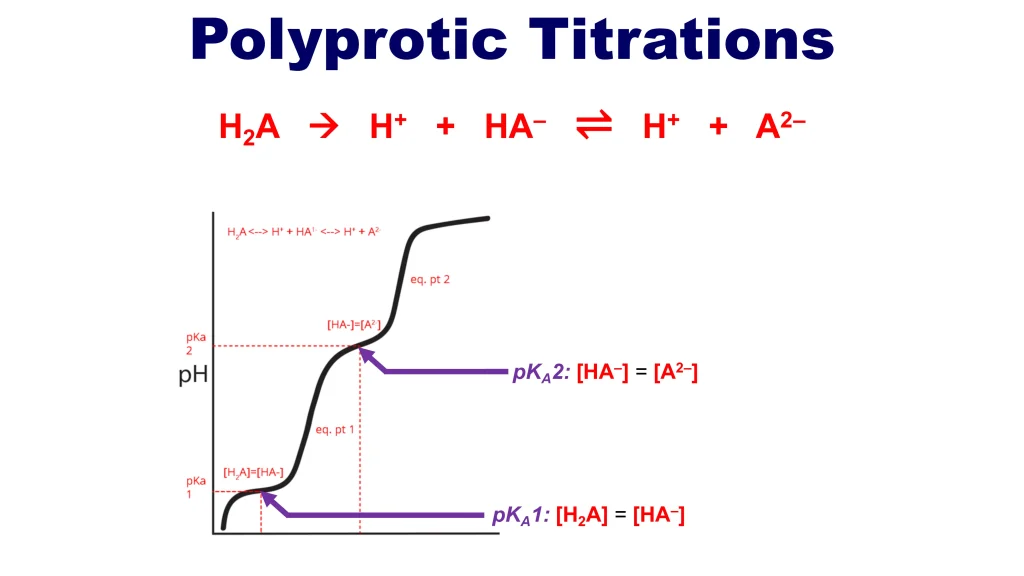
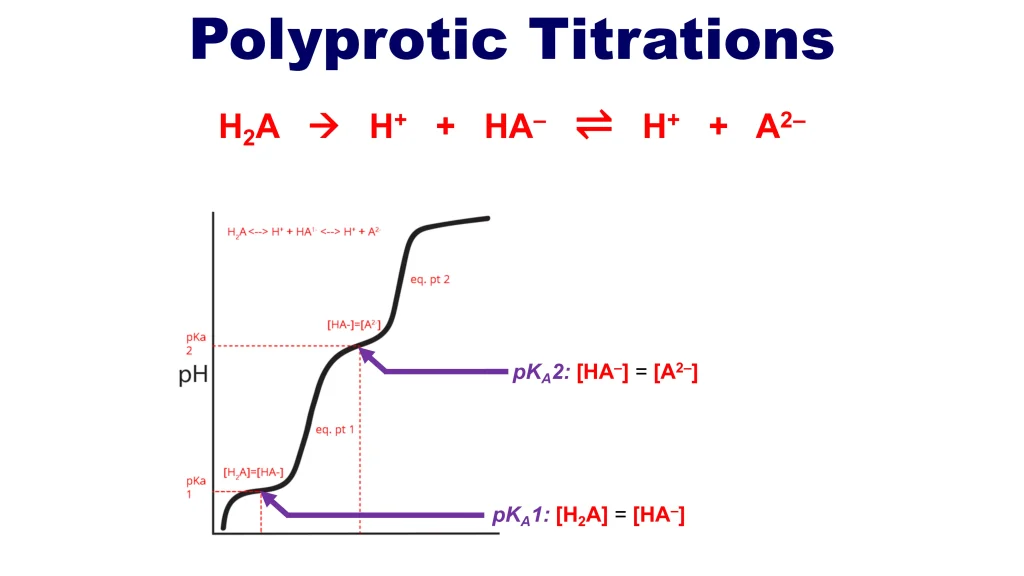
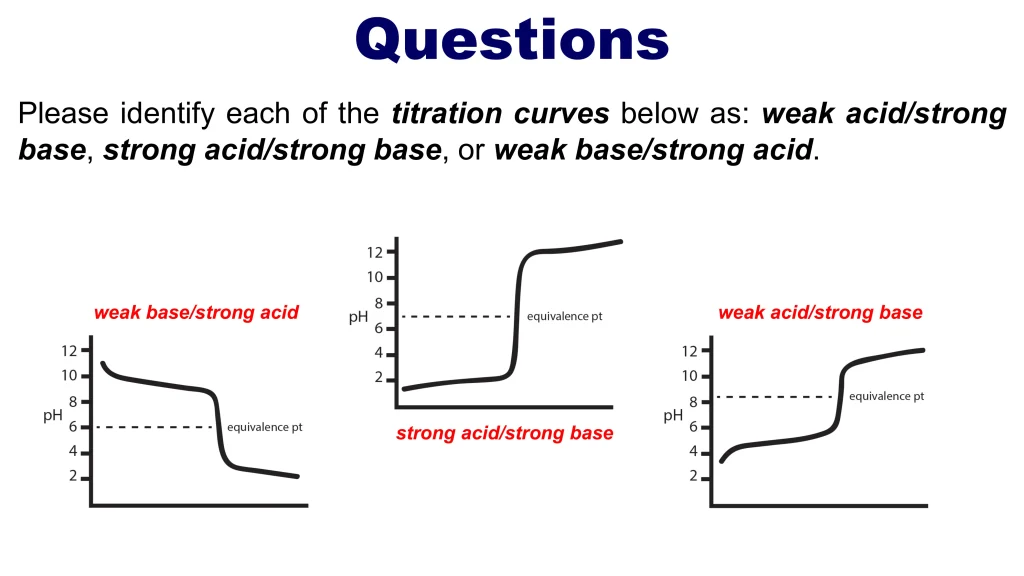
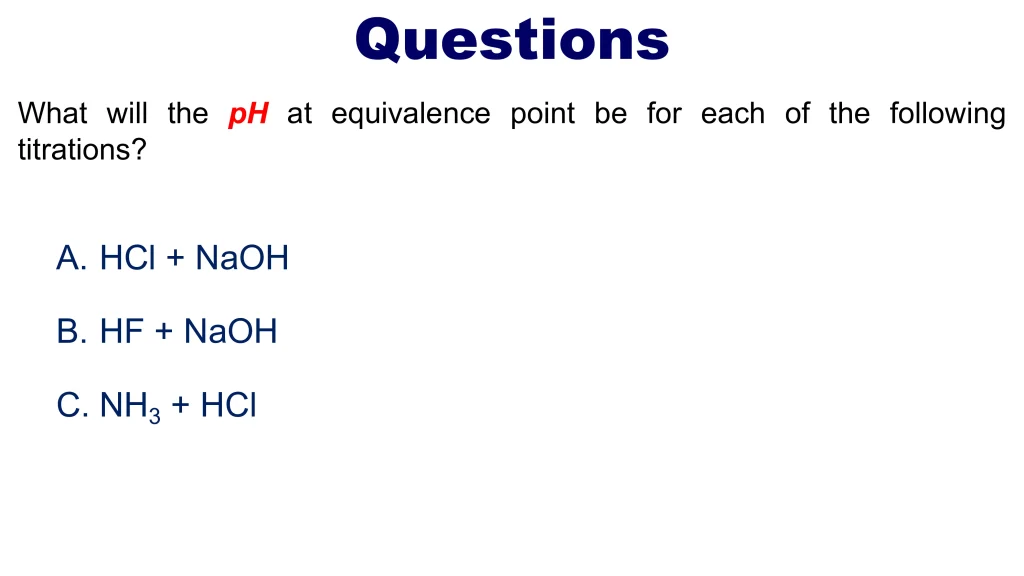
Titrations are analytical techniques used to determine the concentration of an unknown acid or base by reacting it with a solution of known concentration, called a titrant. During a titration, the point at which the reaction is complete is known as the equivalence point. Indicators or pH meters are used to detect this point, providing valuable information about the concentration and strength of the acid or base in the solution.